7 Early Signs of TMJ Disorder Most People Ignore
If you've ever experienced jaw discomfort, unexplained headaches, or strange clicking sounds when you chew, you might be brushing off something more serious than just "a bad day." As a Prosthodontist and TMJ disorder specialist at AMD Dental Clinic in Jaipur, I see many patients who’ve ignored these subtle symptoms for months or even years before realizing they needed help. The truth is, TMJ (temporomandibular joint) disorder often starts quietly, but early signs can signal bigger problems down the road. So today, let’s talk about 7 early signs of TMJ disorder most people ignore and what you can do to find relief.
1. Understanding TMJ Disorder: What You Need to Know
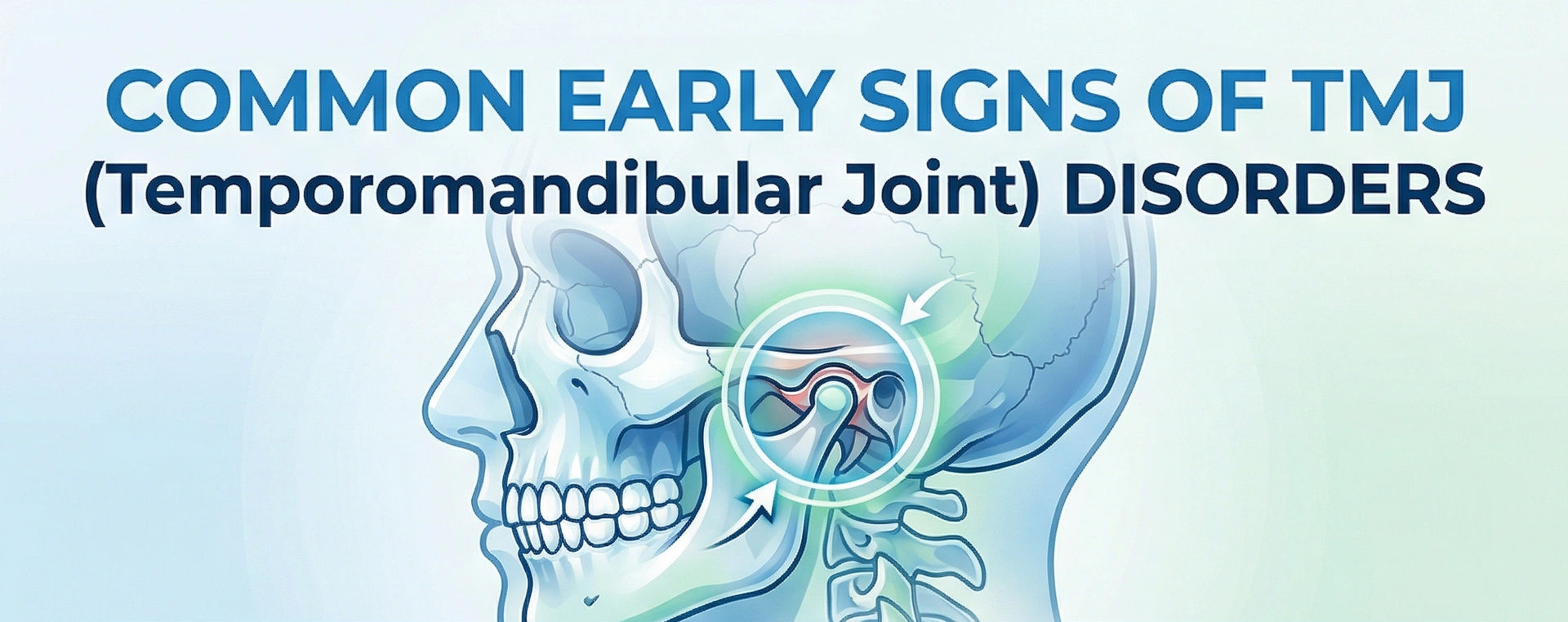
First, let’s break it down. Your temporomandibular joints (TMJs) are the hinges that connect your jawbone to your skull, located just in front of each ear. These joints allow you to chew, speak, yawn basically everything involving jaw movement. But when something disrupts their function (like stress, injury, or misalignment), it can lead to TMJ disorder, which causes pain and discomfort not just in your jaw but sometimes throughout your face and head.
Think of your TMJs like the wheels on a car. If one wheel is misaligned or worn out, driving becomes bumpy and uncomfortable and over time, it can cause damage to other parts of the car. Similarly, untreated TMJ issues can lead to chronic pain and wear-and-tear on your teeth and joints.
2. The Jaw Connection: How Your Bite Affects TMJ Health
Did you know your bite plays a huge role in TMJ health? The way your upper and lower teeth meet affects how your jaw moves. If your bite is uneven due to missing teeth, misaligned teeth, or poorly fitting dental work, it puts extra strain on the TMJs. Over time, this strain can cause jaw joint pain or even lead to structural damage.
I once treated a patient who complained of persistent jaw pain after getting a new crown at another clinic. When we evaluated her bite at AMD Dental Clinic, we found the crown was slightly too high causing her jaw muscles to overcompensate with every chew. After adjusting the crown and recommending some TMJ-friendly exercises, her pain improved significantly within weeks!
So if you’ve noticed discomfort after recent dental work or orthodontic treatment, don’t wait your bite might need fine-tuning.
3. Early Warning Signs: Are You Ignoring These TMJ Symptoms?
Now let’s get into those sneaky signs most people overlook. Here are some common early indicators of TMJ disorder:
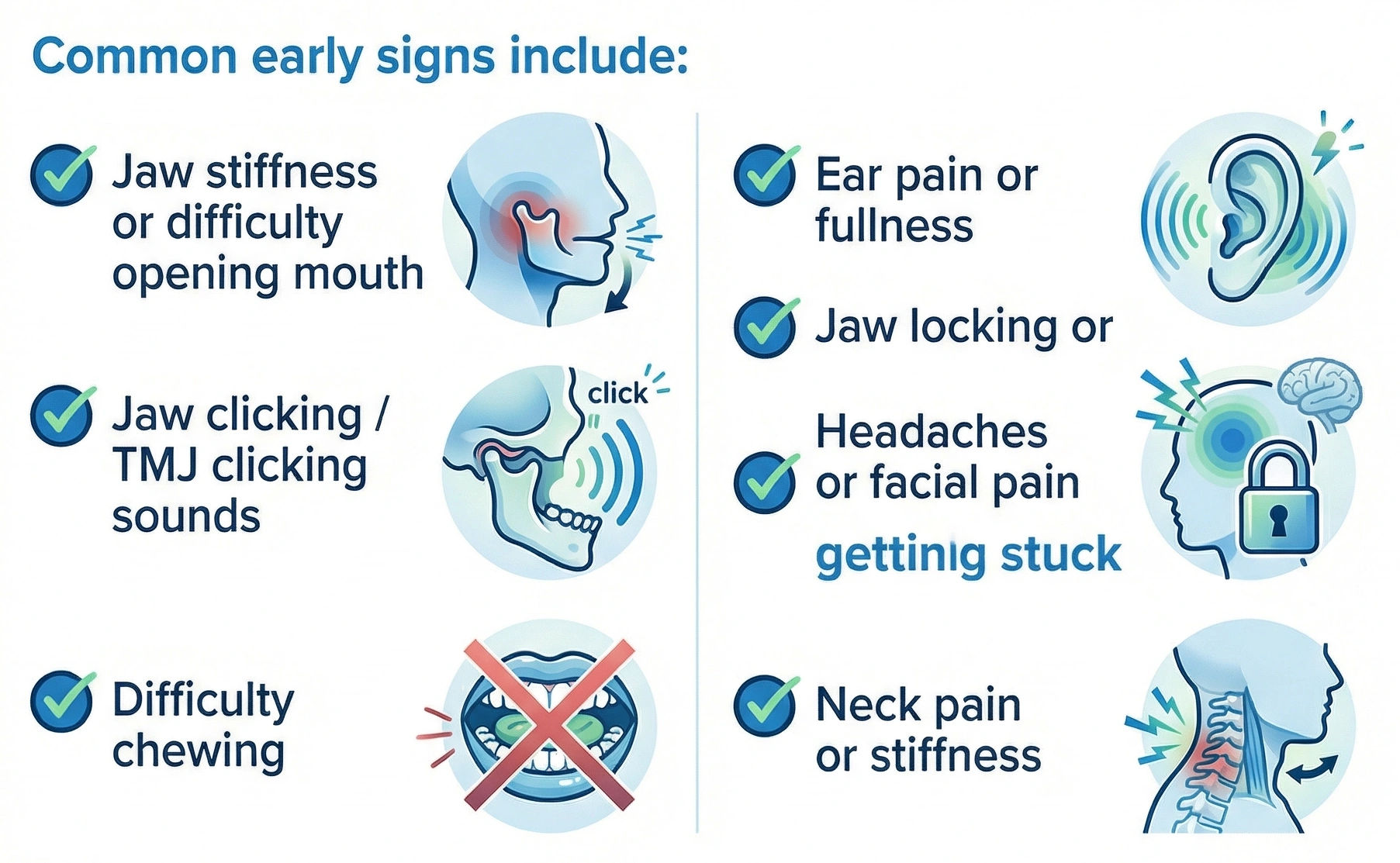
- Jaw stiffness: Struggling to open your mouth wide or feeling “tight” in the jaw? This could be an early red flag.
- Ear pain or fullness: Many patients mistake TMJ-related ear symptoms for an ear infection.
- Clicking or popping sounds: Does your jaw make noises when you chew or yawn? Those jaw clicking sounds might signal joint dysfunction.
- Facial fatigue: Feeling like your cheeks or jaw muscles are working overtime? It’s often related to TMJ stress.
- Difficulty chewing: If chewing feels uncomfortable or uneven, it’s worth investigating.
- Jaw locking or getting stuck
- Neck pain or stiffness
If any of these sound familiar, don’t shrug them off it’s better to catch and treat TMJ issues early before they worsen.
4. Tension Headaches: More Than Just a Bad Day?
Let’s talk headaches. Many people think tension headaches are caused by stress alone but did you know they can also stem from TMJ disorder? When the jaw muscles are strained (due to grinding teeth or clenching), they send pain signals up to your temples and forehead.
One of my patients a young professional juggling long hours at work came in complaining of frequent headaches she thought were stress-related. After evaluating her bite and noticing signs of clenching during sleep (her molars showed wear patterns), we fitted her with a custom night guard and discussed relaxation techniques for managing stress. Within weeks, her headaches were less frequent and she could finally focus better at work.
If tension headaches have become part of your daily routine, ask yourself: Could my jaw be playing a role?
5. Clicking and Popping: When Jaw Sounds Signal Trouble
Clicking and popping noises in the jaw aren’t “normal,” even if they don’t hurt right away! These sounds often happen when the cushioning disc inside your temporomandibular joint isn’t moving smoothly kind of like when a door hinge squeaks because it needs oil.
While occasional clicking may not be an emergency, persistent noises combined with discomfort should prompt a visit to a TMJ treatment Jaipur specialist like myself at AMD Dental Clinic. Left unchecked, these symptoms can progress into full-blown TMJ pain that disrupts eating and speaking.
6. The Role of Stress: Is Your Jaw Telling You Something?
Stress doesn’t just affect your mind it impacts your body too! Many people unknowingly clench their jaws or grind their teeth during stressful moments (or while sleeping). This habit creates constant pressure on the TMJs and surrounding muscles.
A simple tip? Pay attention next time you’re stuck in traffic or rushing through emails are you clenching without realizing it? If yes, try relaxing your jaw by gently placing the tip of your tongue behind your top front teeth and letting your lower jaw hang loose.
At AMD Dental Clinic TMJ care often includes addressing stress triggers alongside physical treatments like splints or exercises because both play a big role in recovery.
7. Common Misconceptions About TMJ Disorder: Debunking the Myths
Let’s clear up some common misunderstandings:
- Myth #1: “It’ll go away on its own.” While mild cases might improve with rest and relaxation techniques, chronic TMJ issues usually require professional treatment.
- Myth #2: “It’s just jaw pain.” Actually, TMJ disorder can cause widespread symptoms like neck stiffness, earaches, headaches even posture problems!
- Myth #3: “Only older adults get TMJ problems.” Not true anyone can develop TMJ disorder due to factors like injury or stress.
The sooner you seek help from a qualified TMJ disorder specialist, the easier it is to manage symptoms effectively.
8. Facial Pain and Discomfort: Could It Be TMJ?
Facial pain is another sneaky symptom that often gets misdiagnosed as sinus problems or neuralgia (nerve-related pain). If you feel aching around your cheeks, temples, ears or even behind your eyes it could be linked to jaw joint pain.
When evaluating facial discomfort at AMD Dental Clinic in Jaipur, we always consider whether underlying issues like muscle tension or joint inflammation could be contributing factors and tailor treatments accordingly.
9. Seeking Help Early: Why Timely Intervention Matters
Here’s why acting early matters: Untreated TMJ disorders don’t just cause chronic pain they can lead to long-term damage like tooth wear from grinding or permanent changes in joint structure.
If any symptoms resonate with you from jaw clicking sounds to unexplained headaches don’t hesitate to schedule an appointment with our team at AMD Dental Clinic Jaipur for expert evaluation.
10. Empower Yourself: Tips for Managing TMJ Symptoms at Home
While professional care is essential for moderate-to-severe cases, there are steps you can take at home to ease mild symptoms:
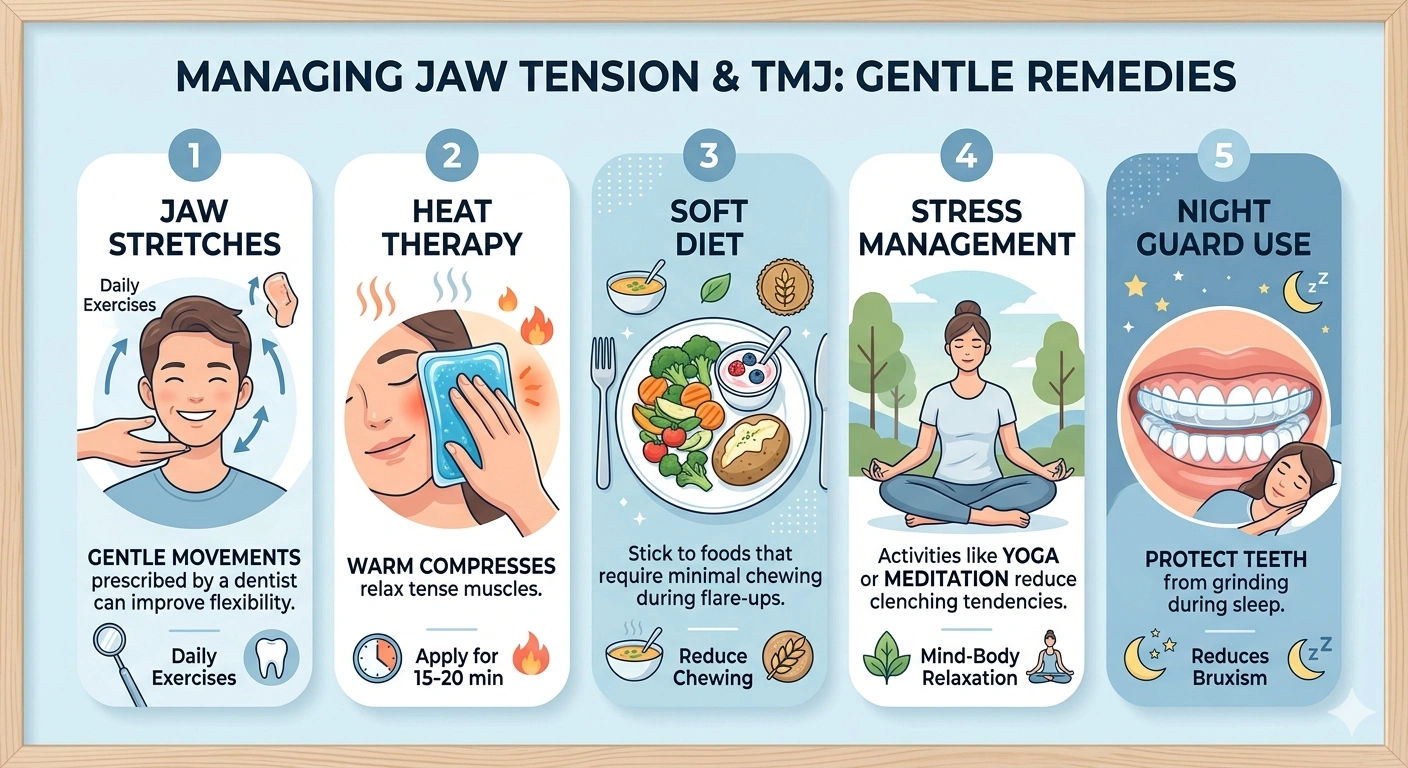
- Jaw stretches: Gentle movements prescribed by a dentist can improve flexibility.
- Heat therapy: Warm compresses relax tense muscles.
- Soft diet: Stick to foods that require minimal chewing during flare-ups.
- Stress management: Activities like yoga or meditation reduce clenching tendencies.
- Night guard use: Protect teeth from grinding during sleep.
These strategies won’t replace professional treatment but can complement it effectively!
Conclusion
Your health deserves attention even if symptoms seem minor now! Whether it's strange jaw noises or nagging headaches that won’t quit, don’t ignore what could be early signs of TMJ disorder. At AMD Dental Clinic Jaipur, our team specializes in personalized care tailored to each patient’s unique needs and I’d be happy to help guide you toward relief as both a Prosthodontist and someone who genuinely cares about patient well-being.
If you're experiencing any of these symptoms or even if you're unsure it’s always better to check in early rather than wait for things to escalate further. Schedule an appointment with me at AMD Dental Clinic today; together we’ll take the first step toward reclaiming your comfort!
- A-3, Natraj Nagar near Imli Phatak, Jaipur-302015
- +91 9945826926
- contact@amddentalclinic.com
Are Electric Toothbrushes Good for Your Teeth? | AMD Dental
Are electric toothbrushes good for your teeth? Learn about electric toothbrush benefits, plaque removal, gum health, brushing pressure, and how to choose the right one.
Pain Relief After Root Canal: What Is Normal and What Is Not?
Discover what to expect after a root canal, including normal pain vs. warning signs. Read Dr. Mili Gupta's expert tips at AMD Dental Clinic for relief!

How does bone density affect the timeline of a dental implant procedure?
Discover how bone density impacts dental implant timelines. Learn expert insights from Dr. Mili Gupta at AMD Dental Clinic. Read now for informed choices!