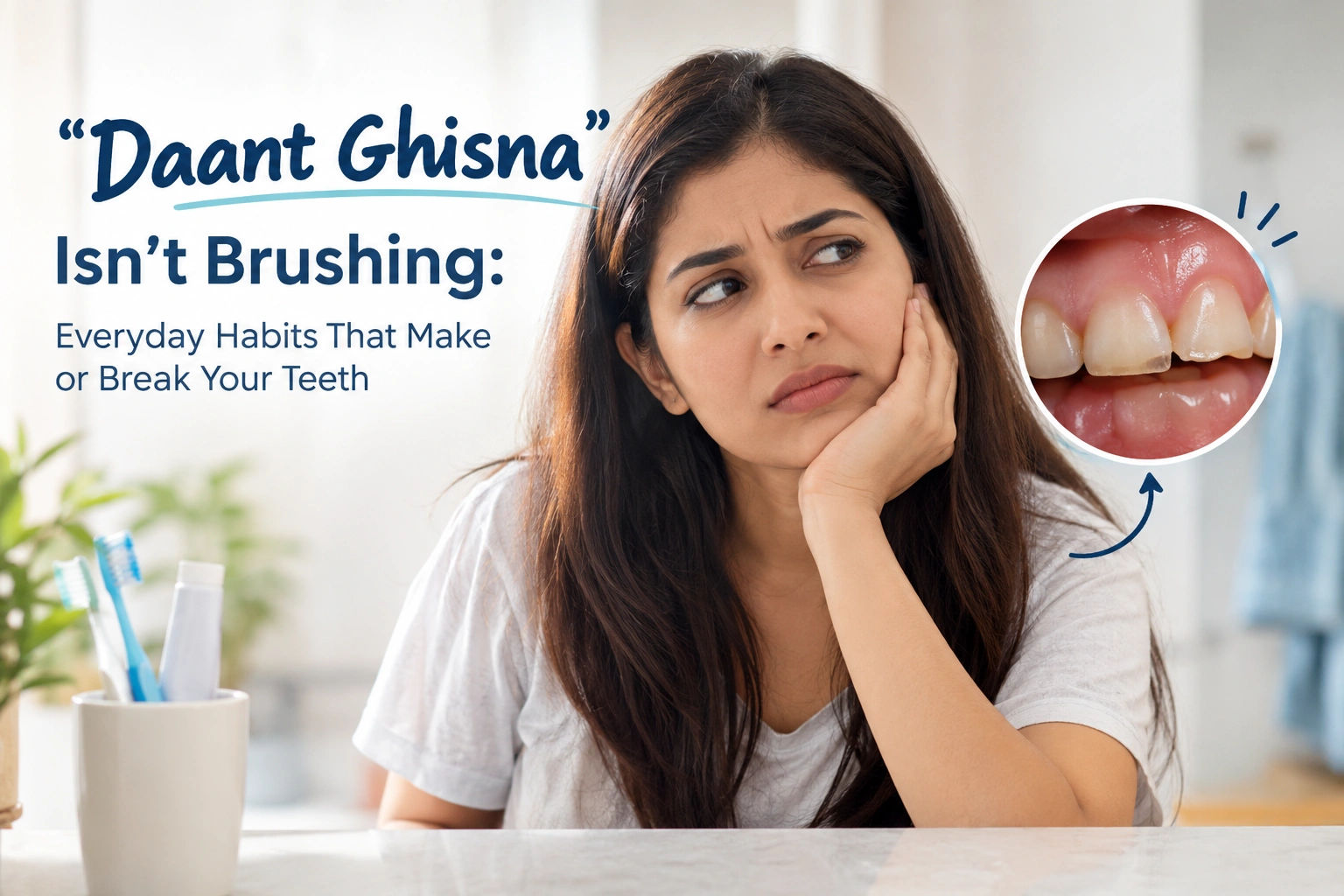
"Daant Ghisna" Isn't Brushing: Everyday Habits That Make or Break Your Teeth
By- Dr. Mili Gupta (Director, AMD Dental Clinic)
In many Indian homes, we don't say "brushing our teeth." We say daant ghisna, literally, rubbing the teeth. And that's exactly how most of us learned to do it: by watching our parents scrub hard and fast every morning, and copying them.
As a dentist, I see the results of that habit, and many others, in my clinic every day. Gums pushed back by years of hard scrubbing. Enamel worn thin by "whitening" pastes. Chipped teeth from opening bottle caps.
The good news is that the habits that protect your teeth are small, cheap and easy, once you know what they are. Here are the ones I find myself talking about most.
The Basics We Skip
Brush twice. Yes, at night too.
Most of us brush in the morning without fail. It's part of waking up. But night brushing is often skipped, and it may be the more important of the two. While you sleep, your mouth produces less saliva, which normally helps wash away food and bacteria. Go to bed without brushing, and bacteria get hours of undisturbed time on your teeth.
In several studies across India, only around one in five people reported brushing twice a day. Yet the payoff is real: one long-term study that followed people for 26 years found that brushing consistently, more than once a day, nearly halved the risk of losing teeth.
Brush gently, not harder.
This is where daant ghisna goes wrong. Scrubbing harder doesn't clean better. Hard back-and-forth strokes wear away enamel near the gum line and slowly push the gums back, exposing the sensitive root underneath. Once gums recede this way, they usually don't grow back.
What works instead is simple:
Use a soft-bristled brush.
Hold it at a 45-degree angle to the gum line.
Use gentle, short strokes, not a sawing motion.
Take a full two minutes, so you don't need force to get the job done.
A quick test: if your bristles are flattened and splayed within a few weeks, you're pressing too hard.
Your toothbrush has an expiry date.
Many people use the same toothbrush until it falls apart. But worn, splayed bristles clean far less effectively and can irritate your gums. The general recommendation is to replace your toothbrush every three to four months, or sooner if the bristles look frayed. Let the bristles, not the calendar, be your reminder.
Habits That Harm
The whitening trap
Charcoal toothpastes, whitening powders, baking soda hacks from social media. I understand the appeal; everyone wants a brighter smile. But many of these products don't actually whiten. Studies show charcoal toothpaste works no better than regular fluoride toothpaste for whitening; whatever stain it removes, it does by scraping.
And that scraping comes at a cost. Enamel, the protective outer layer of your teeth, doesn't grow back once it's gone. Here's the irony: as enamel thins, the yellowish layer underneath starts to show through. Chase whiteness with abrasive products long enough, and your teeth can end up looking more yellow, and feeling more sensitive. Whitening strips, meanwhile, commonly cause sensitivity. If you want whiter teeth, talk to your dentist first.
Tobacco, in every form
Gutka, khaini, paan with tobacco, cigarettes. In India, chewing tobacco is far more common than smoking: about one in five adults uses smokeless tobacco, and it's linked to more than half of the country's oral cancers. Beyond cancer, it stains teeth, damages gums and causes persistent bad breath. Yet very few Indians have ever had their mouth checked for early signs of oral cancer.
There is no safe amount of tobacco for your mouth. If you use it, the best thing you can do for your teeth is to quit, and to let your dentist check your mouth regularly in the meantime.
Stress and teeth grinding
Many people grind or clench their teeth without knowing it, often at night and often during stressful periods. The signs are easy to miss: a sore jaw or headache on waking, teeth that look flattened or chipped, or sudden sensitivity. Research has linked teeth grinding with stress and anxiety, and it can affect quality of life.
If this sounds familiar, mention it to your dentist. A simple night guard can protect your teeth while you sleep, and managing stress helps your jaw as much as the rest of you.
Your teeth are not tools
Opening bottle caps, tearing open packets, cutting thread, cracking nuts. We've all done it. But teeth are designed for chewing food, not for prying and cutting. One wrong bite on a bottle cap can chip or crack a tooth, and a cracked tooth often means a root canal or tooth loss. Keep a pair of scissors and a bottle opener handy. Your teeth will thank you.
The Easy Wins We Ignore
Clean between your teeth
No matter how well you brush, a toothbrush can't reach the tight spaces between your teeth, and that's exactly where many cavities and gum problems begin. Yet hardly anyone I see flosses regularly. Research reviewing dozens of studies has found that cleaning between the teeth, with floss or small interdental brushes, in addition to brushing, can reduce gum inflammation more than brushing alone. It takes a minute or two a day.
Water flossers: the easier option
If floss feels fiddly, and for many people it does, a water flosser is worth a try. It uses a thin stream of water to clean between teeth and along the gum line, and most patients find it quick and easy to use. Some evidence even suggests it may reduce gum inflammation as well as, or better than, string floss in the short term. It's one of the simplest upgrades to a daily routine, yet very few people use one.
Professional cleaning
Even with excellent habits at home, some plaque slips through and hardens into tartar, which can start forming within a day or two. Once it hardens, no amount of brushing or flossing will remove it. Only a dentist or dental hygienist can. That's why I recommend a check-up and professional cleaning about every six months, or as often as your dentist advises for your teeth. It's also the best chance to catch small problems before they become painful, expensive ones.
Small Habits, Big Difference
None of this needs expensive treatment or special products. It needs a few minutes a day and a little awareness.
In this series, we've looked at why oral health matters far more than most of us realise, and why insurance still has a long way to go in supporting it. But the most powerful protection your teeth have is already in your hands, every morning and every night.
So here's my simple checklist: brush twice a day, gently, with a fresh brush. Clean between your teeth. Skip the whitening shortcuts and the tobacco. Protect your teeth from grinding and from being used as tools. And see your dentist regularly, even when nothing hurts.
Your teeth are meant to last a lifetime. With the right habits, they can.
Sources (for internal reference, remove before publishing):
- IANSlife: India's tooth brushing habit
- J Indian Assoc Public Health Dent: Oral hygiene practices, Varanasi
- JCDR: Oral hygiene awareness, Chennai (incl. 26-year tooth loss study)
- ADA: Toothbrushes
- Brushing too hard and gum recession
- NewMouth: Does charcoal toothpaste work?
- Sunbit: Pros and cons of charcoal toothpaste
- THIP Media: Smokeless tobacco and oral cancer
- South First: Oral cancer screening in India
- PMC: Bruxism, stress and quality of life
- Cochrane: Interdental cleaning devices
- Cleveland Clinic: Tartar
- Aspen Dental: Tartar formation
- A-3, Natraj Nagar near Imli Phatak, Jaipur-302015
- +91 9945826926
- contact@amddentalclinic.com
We Only Remember Our Teeth When They Hurt
Discover why proactive dental care matters! Dr. Mili Gupta of AMD Dental Clinic shares insights to keep your teeth healthy & pain-free. Read now!

Bridal Smile Makeover Without Braces: What Are Your Options?
Discover bridal smile makeover options without braces! At AMD Dental Clinic, Dr. Mili Gupta shares tips for a radiant wedding-ready smile. Learn more today!
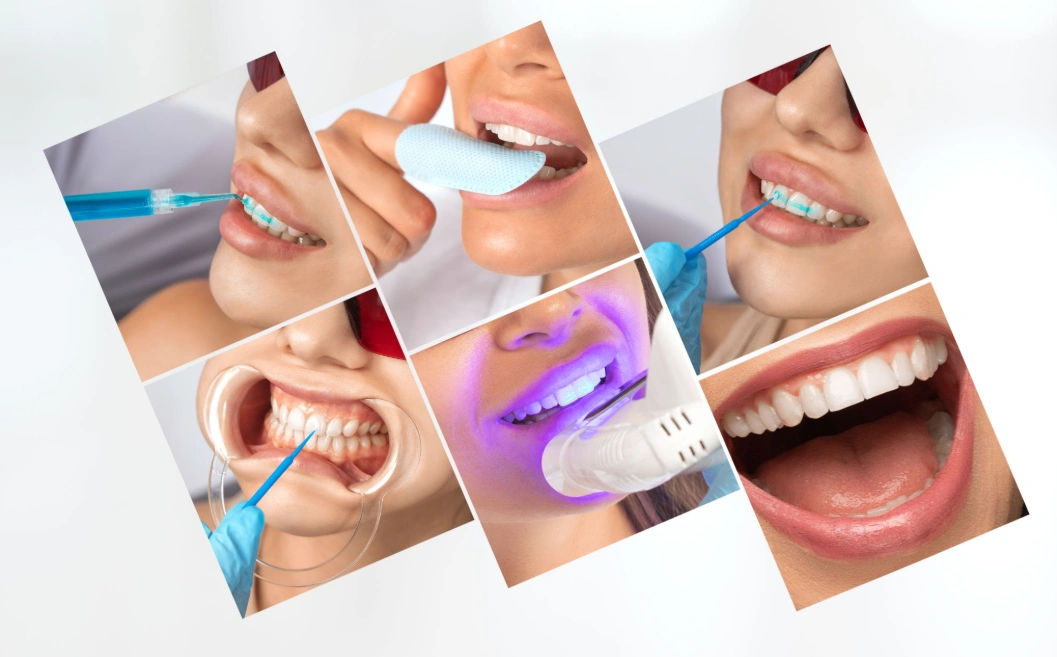
Yellow Teeth Before Wedding? 5 Safe Ways to Brighten Your Smile
Yellow teeth before your big day? Discover 5 safe, effective tips to brighten your smile at AMD Dental Clinic. Read now for expert advice from Dr. Mili Gupta!