
Can I Get Dental Implants if I Have Diabetes?
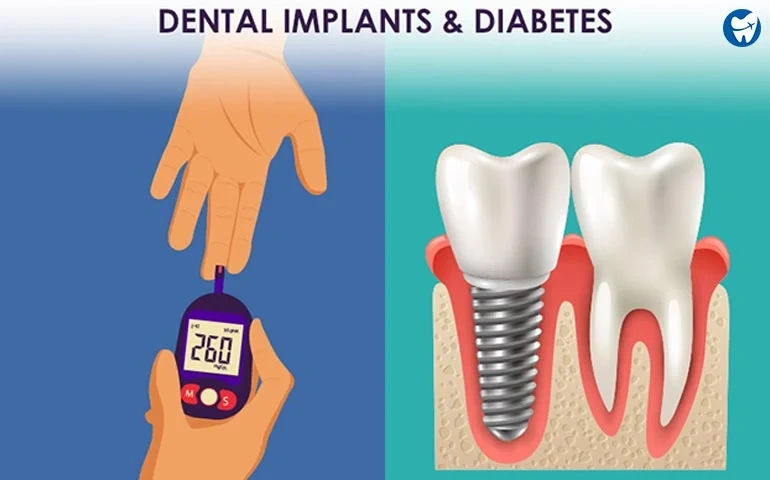
Living with diabetes requires constant attention to overall health but one area that often gets overlooked which is oral health. If you are diabetic and if you are considering dental implants, you would probably have questions about safety, success rates, and what precautions you need to take.
The good news? Dental implants can be safe and successful for diabetic patients when diabetes is well controlled and treatment is properly planned.
- How diabetes affects your gums and teeth
- What medical research says about implants and diabetes
- Specific precautions that improve success rates
- The blood sugar targets you should aim for before dental implant surgery
- Post-implant care tailored for diabetic patients
Every Patient Should Know this about Diabetes and Oral Health
Diabetes affects your body's ability to regulate blood sugar levels. When blood sugar remains high, it impacts three critical factors for dental health:
- Blood circulation: blood flow to gums and bone is reduced
- Immune system's ability to fight infections is reduced
- Healing capacity is lowered which slows down tissue and bone repair
Common Oral Problems in Diabetic Patients
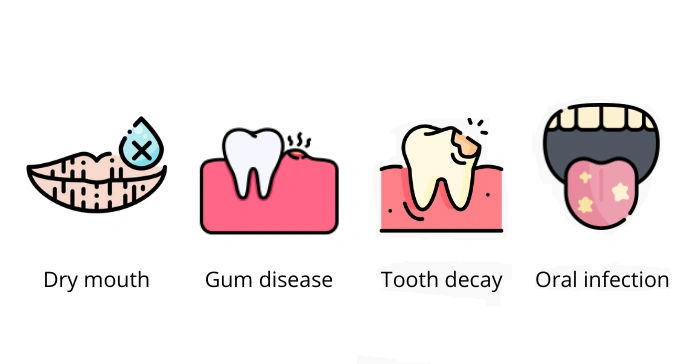
Many diabetic patients experience:
- Bleeding or swollen gums
- Gum infections (periodontitis/pyorrhea)
- Dry mouth (xerostomia)
- Delayed healing after dental procedures
- Increased risk of tooth loss
How Diabetes & Gum Disease affects each other
Here's something critical that every diabetic patient should understand: diabetes and gum disease make each other worse.
How Diabetes Affects Your Gums
- Reduces blood supply to gum tissue
- Weakens immune response to bacteria
- Increases bacterial growth in the mouth
- Accelerates bone loss around teeth
How Gum Disease Affects Your Diabetes
- Chronic infection increases body-wide inflammation
- Makes blood sugar harder to control
- Can worsen other diabetic complications
According to research published in the Journal of Periodontology, people with diabetes are 2-3 times more likely to develop gum disease, and untreated gum disease can raise HbA1c levels by up to 0.4%.
Myth: Bleeding gums are normal if you have diabetes
Fact: Bleeding gums are a warning sign that needs professional treatment
Can Diabetic Patients Get Dental Implants?
Yes but the success depends on diabetes control and not the diagnosis itself. Research shows that diabetic patients with good glycemic control have implant success rates comparable to non-diabetic patients (around 95-98% over 5 years).
You're a Good Candidate for Dental Implants If:
- Your HbA1c is below 7% (ideally below 6.5%)
- Blood sugar levels are stable day-to-day
- Any existing gum disease has been treated
- You maintain good oral hygiene
- You're committed to regular follow-up visits
Higher Risk Exists When:
- HbA1c is above 8%
- Blood sugar fluctuates significantly
- Active, untreated gum disease is present
- You smoke or have inconsistent oral hygiene
Note: These are general guidelines. Your dentist should evaluate your individual case, ideally in coordination with your endocrinologist or primary care physician.
What Medical Research Says About Implants and Diabetes
Studies published in the International Journal of Oral and Maxillofacial Implants have found that:
- Diabetic patients with HbA1c <7% have success rates similar to non-diabetic patients
- Uncontrolled diabetes (HbA1c >8%) is associated with higher rates of peri-implantitis (infection around implants)
- Proper pre-surgical planning and post-operative care significantly reduce complications
The key takeaway: Control matters more than diagnosis.
How Diabetes Affects Dental Implant Healing
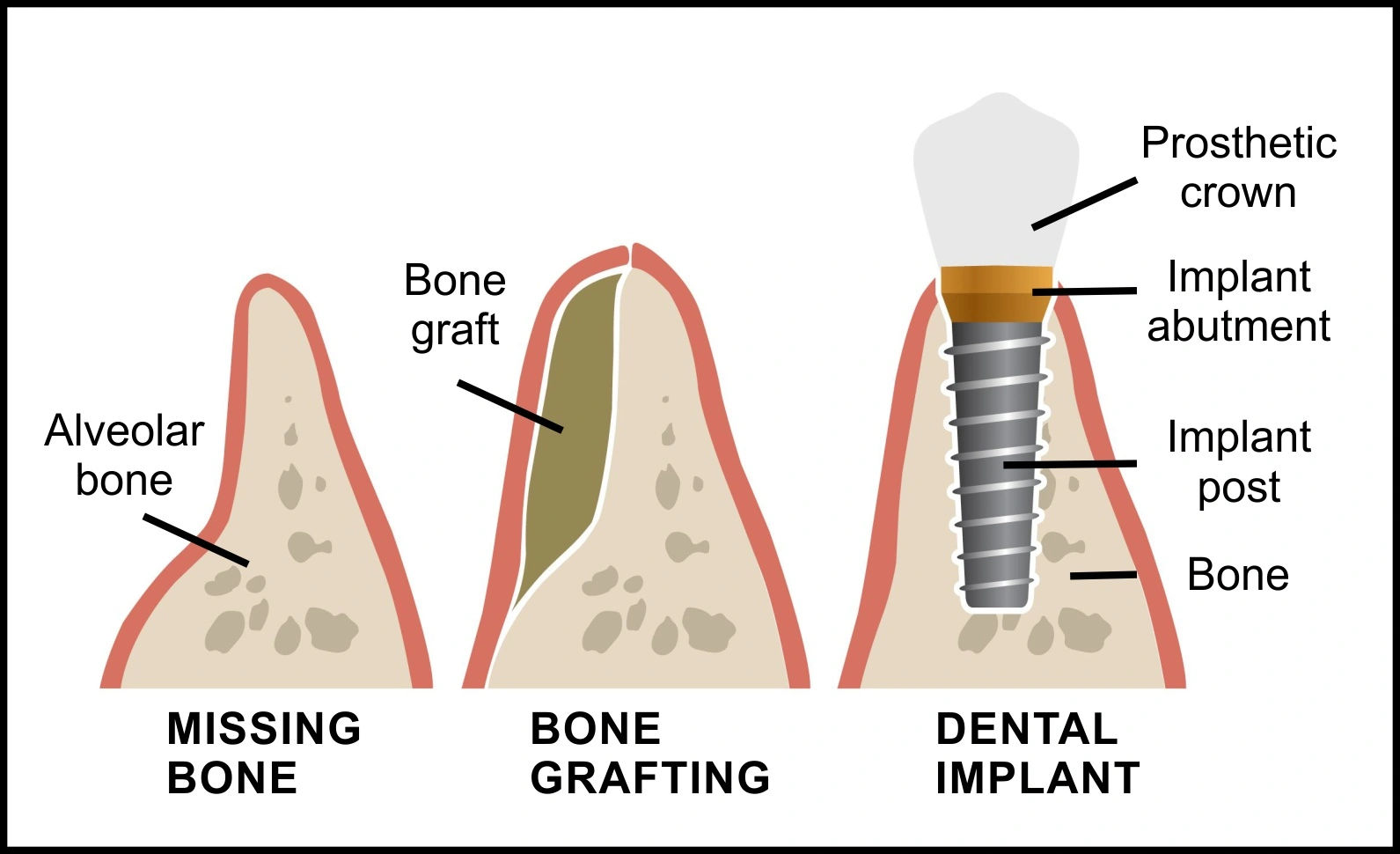
Dental implants work through a process called osseointegration where the titanium implant fuses with your jawbone over 3-6 months. Diabetes can interfere with this process in several ways:
Effects on Healing
- Slower bone formation around the implant
- Increased infection risk at the surgical site
- Delayed soft tissue healing of the gums
- Higher chance of peri-implantitis (inflammation around the implant)
This doesn't mean implants will fail it means extra precautions and monitoring are essential.
Special Precautions Before Dental Implant Surgery
A thorough pre-surgical evaluation should include:
Medical Assessment
- Current HbA1c level (ideally taken within 3 months)
- Daily blood sugar patterns (fasting and post-meal)
- Diabetes medication review
- History of healing problems or infections
- Other diabetic complications (neuropathy, cardiovascular issues)
Dental Assessment
- Complete gum health evaluation
- Bone density and quality analysis
- Existing infection screening
- Oral hygiene habits review
Medical Coordination
For complex cases, your dentist may consult with your endocrinologist to:
- Optimize diabetes control before dental implant surgery
- Adjust medications around the procedure
- Plan appropriate antibiotic coverage
This collaborative approach significantly reduces complications.
Target Blood Sugar Levels for Dental Implant Surgery
While individual targets may vary, general guidelines include:
- HbA1c: Below 7% (some clinicians prefer below 6.5%)
- Fasting glucose: 80-130 mg/dL
- Post-meal glucose: Below 180 mg/dL
If your levels are higher, your dentist may recommend postponing surgery until better control is achieved. This isn't a rejection it's a strategy to ensure your success.
Post-Implant Care: Essential Guidelines for Diabetic Patients
After implant placement, proper care is crucial:
Blood Sugar Management
- Maintain stable levels throughout healing (3-6 months)
- Monitor more frequently in the first 2 weeks post-surgery
- Avoid blood sugar spikes that can impair healing
Oral Hygiene Protocol
- Brush twice daily with a soft-bristle brush
- Use antimicrobial mouthwash as recommended
- Floss or use interdental brushes around healing sites
- Avoid tobacco in any form
Monitoring and Follow-Up
- Attend all scheduled check-ups (typically at 1 week, 2 weeks, 1 month, 3 months)
- Report any warning signs immediately: persistent swelling, increasing pain, fever, or unusual bleeding
- Continue professional cleanings every 3-4 months
Lifestyle Factors
- Don't smoke smoking dramatically increases implant failure risk
- Eat a balanced diet to support healing
- Stay hydrated to combat dry mouth
- Manage stress, which can affect blood sugar
Patients who follow these guidelines enjoy long-lasting, stable dental implants.
Warning Signs: When to Contact Your Dentist
Contact your dental team immediately if you experience:
- Persistent or worsening pain after the first few days
- Swelling that increases after 48 hours
- Fever or signs of infection
- Implant feels loose or mobile
- Persistent bad taste or odor
- Difficulty controlling blood sugar after surgery
Early intervention can prevent minor issues from becoming major problems.
When Should Dental Implants Be Postponed?
Implant treatment may need to be delayed if:
- HbA1c is above 8% and unstable
- Active, untreated gum infection is present
- Recent history of severe hypoglycemia or diabetic complications
- Oral hygiene compliance is inadequate
- You're unable to commit to follow-up care
This isn't permanent treatment can often proceed once these issues are addressed.
A Patient's Perspective
"I was nervous about getting implants because of my Type 2 diabetes. My dentist worked with my doctor to get my HbA1c down from 8.2% to 6.8% over three months. The surgery went smoothly, and two years later, my implants are perfect. The key was patience and preparation."
Anonymous patient review
Type 1 vs Type 2 Diabetes: Does It Matter?
Both Type 1 and Type 2 diabetic patients can successfully receive dental implants. The principles are the same:
- Type 1 patients may need closer coordination with their endocrinologist for insulin adjustments around surgery
- Type 2 patients should ensure any oral medications or insulin regimens are optimized
The quality of blood sugar control matters more than the type of diabetes.
Final Thoughts: Diabetes Is Not a Barrier but Poor Planning Is
With proper preparation, diabetic patients can achieve excellent implant outcomes:
- Work toward HbA1c below 7%
- Treat any existing gum disease first
- Choose an experienced implant dentist
- Commit to excellent post-operative care
- Maintain regular follow-ups
Dental implants can restore your smile, improve your nutrition, and enhance your quality of life diabetes doesn't have to stand in the way.
Need Guidance on Your Implant Journey?
If you're diabetic and considering dental implants in Jaipur, a comprehensive evaluation is the first step. At AMD Dental Clinic, treatment planning includes medical coordination and personalized care protocols for diabetic patients.
AMD Dental Clinic
A-3, Natraj Nagar, near Imli Phatak, Jaipur – 302015
+91 9945826926
contact@amddentalclinic.com
Serving: Civil Lines • C-Scheme • Bapu Nagar • Bajaj Nagar • Imli Phatak • Kartarpura • SDMH Hospital
Medical Disclaimer: This blog provides general educational information about dental implants and diabetes. It is not a substitute for professional medical advice, diagnosis, or treatment. Always consult with your dentist and physician regarding your specific health circumstances.
- A-3, Natraj Nagar near Imli Phatak, Jaipur-302015
- +91 9945826926
- contact@amddentalclinic.com

Are Electric Toothbrushes Good for Your Teeth? | AMD Dental
Are electric toothbrushes good for your teeth? Learn about electric toothbrush benefits, plaque removal, gum health, brushing pressure, and how to choose the right one.
Pain Relief After Root Canal: What Is Normal and What Is Not?
Discover what to expect after a root canal, including normal pain vs. warning signs. Read Dr. Mili Gupta's expert tips at AMD Dental Clinic for relief!

How does bone density affect the timeline of a dental implant procedure?
Discover how bone density impacts dental implant timelines. Learn expert insights from Dr. Mili Gupta at AMD Dental Clinic. Read now for informed choices!