What is a Sinus Lift and Why is it Needed Before an Implant?
Most people think getting a dental implant is simple—
tooth missing, dental implant placed, done.
But if your dentist mentions a sinus lift, especially for upper back teeth, it can feel confusing.
What do sinuses have to do with teeth?
The answer is simple:
👉 Your sinuses and upper jaw are very close to each other, and that affects implant placement.
First, Let’s Understand Your Sinuses
We usually notice our sinuses only during a cold.
But they’re always there.
The important ones here are maxillary sinuses
Located inside your cheekbones
Sit just above your upper back teeth
👉 In many cases, only a few millimetres of bone separate your tooth roots from the sinus.
That’s why your dentist talks about sinuses when planning a dental implant—it’s not random, it’s essential.
What Happens After You Lose a Tooth?
When a tooth is lost, two things happen:
1. Bone Shrinks (Bone Resorption)
The bone that held the tooth is no longer used → it starts shrinking.
2. Sinus Expands Downward
The sinus slowly moves down into that empty space.
👉 So you lose bone from below
👉 And the sinus comes down from above
This leaves very little bone for dental implant placement.
This is extremely common in patients seeking dental implants in Jaipur, especially if the tooth has been missing for a long time.
What is a Sinus Lift?
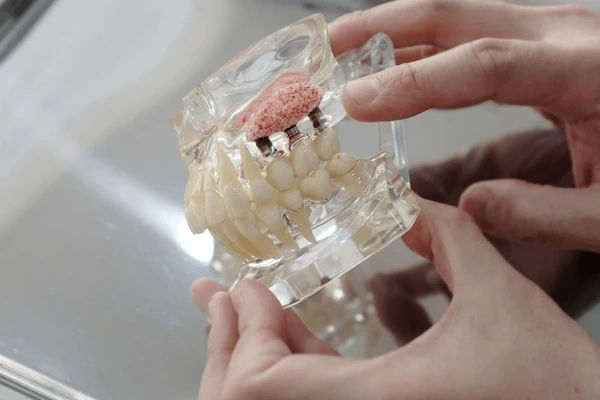
A sinus lift (sinus augmentation) is a procedure to create enough bone for an implant.
How it Works
The sinus membrane is gently lifted upward
A small space is created
Bone graft material is placed in that space
Over time:
👉 Your body converts this into natural bone
👉 The implant gets a strong foundation
✔ Graft can be:
Your own bone
Donor bone
Synthetic material
👉 This is a routine and well-established procedure, not something experimental.
Does It Hurt?
This is what most patients worry about.
Done under local anaesthesia
No pain during procedure
You may feel slight pressure
After the procedure:
Mild swelling for a few days
Manageable with medication
Most patients resume routine in 5–7 days
Important precautions:
Soft diet
Avoid forceful nose blowing
Sleep with head elevated
👉 Simple care, nothing overwhelming.
Healing Time – Why Patience Matters
The graft needs time to become strong bone.
Healing period: 3–6 months
Then dental implant is placed safely
👉 Placing an implant too early = risk of failure
👉 Strong foundation = long-lasting implant
Does Everyone Need a Sinus Lift?
No.
It depends on how much bone is present.
Some patients:
Have enough bone → no sinus lift needed
Others:
Need minor or major augmentation
👉 The only way to know is through a CBCT scan (3D X-ray)
This shows:
Bone height
Bone width
Sinus position
Why Patients Feel Scared (And Why They Shouldn’t)
Many patients come for dental implants in Jaipur after being told they need a sinus lift—but without explanation.
That’s what creates fear.
👉 It’s not the procedure
👉 It’s the lack of clarity
Once patients understand the “why”, the anxiety drops significantly.
What Should You Do Next?
If you’ve been told you need a sinus lift:
👉 Don’t panic
👉 Don’t delay blindly either
Get a proper evaluation first.
Consultation at AMD Dental Clinic Jaipur
At AMD Dental Clinic Jaipur, we focus on:
Detailed CBCT evaluation
Clear explanation of your condition
Step-by-step treatment planning
Patients often come in confused—and leave with clarity within one visit.
Final Thought
A missing tooth doesn’t have to stay missing.
And if a sinus lift is needed, it’s simply a step toward building a strong, long-lasting dental implant.
👉 The key is proper diagnosis and planning.
Call to Action
If you’re considering dental implants in Jaipur or have been advised a sinus lift:
📍 Visit AMD Dental Clinic Jaipur
👩⚕️ Consult Dr. Mili Gupta (Dental Implant Specialist)
Let’s evaluate your case and plan it the right way - with clarity, comfort, and confidence.
- A-3, Natraj Nagar near Imli Phatak, Jaipur-302015
- +91 9945826926
- contact@amddentalclinic.com
Pain Relief After Root Canal: What Is Normal and What Is Not?
Discover what to expect after a root canal, including normal pain vs. warning signs. Read Dr. Mili Gupta's expert tips at AMD Dental Clinic for relief!

How does bone density affect the timeline of a dental implant procedure?
Discover how bone density impacts dental implant timelines. Learn expert insights from Dr. Mili Gupta at AMD Dental Clinic. Read now for informed choices!
Why Do Your Gums Bleed While Brushing? Causes & Fixes
Bleeding gums while brushing? Get painless, expert treatment by Dr. Mili Gupta (MDS) at AMD Dental Clinic Jaipur. Book your appointment today!