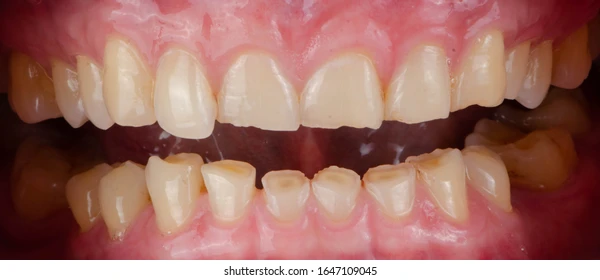
Shorter or uneven edges
Front teeth may look flatter, chipped, translucent, or different in length.
Worn and Uneven Teeth in Jaipur
Near Imli Phatak · Vidhan Sabha · Lal Kothi · Tonk Road
Teeth may wear from grinding, erosion, bite patterns, habits, or lost support. Finding the cause is essential before reshaping or restoring them.
Medically reviewed by Dr. Mili Gupta, M.D.S. ·
5,000+
Happy Patients
10,000+
Smile Makeovers
10+
Years of Clinical Experience
4.9
Google Rating (610 Reviews)
Understanding the Concern
Tooth wear is the gradual loss of enamel and dentine from contact, acids, habits, or a combination of factors.
Grinding and clenching can flatten or chip edges. Dietary or gastric acids can soften surfaces, while abrasive habits and an unstable bite may alter the wear pattern.
Some unevenness is natural or develops after chipping, missing teeth, movement, or previous restorations. Planning considers whether wear is active, the remaining structure, sensitivity, bite space, and expectations.
Restoring worn teeth without managing the cause can increase the risk of chipping, wear, or repeated repair.
Signs to Discuss
Small changes can accumulate slowly and may be easier to manage when documented early.
Front teeth may look flatter, chipped, translucent, or different in length.
Exposed dentine may react to cold, touch, sweet foods, or brushing.
Jaw fatigue, morning headaches, or polished wear facets may accompany clenching or grinding.
Loss of tooth shape or support can alter contacts and chewing comfort.
Wear Patterns
The location and shape of wear can help identify likely contributing factors.
Matching wear facets may develop where teeth repeatedly contact.
Acid-related wear can create smooth depressions or thinning enamel.
Thin enamel, bite forces, or habits may leave irregular tooth lengths.
Widespread loss can affect appearance, sensitivity, bite, and restorative space.
Photographs, scans, models, and review over time can help distinguish historical wear from active progression.
Treatment Options
Care ranges from monitoring and prevention to additive restoration or broader rehabilitation.
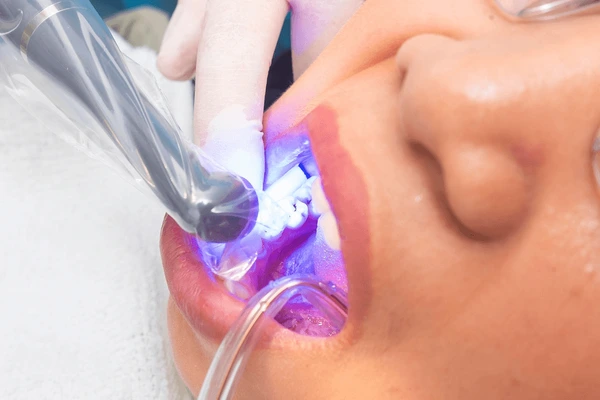
Additive restoration
Composite can rebuild selected worn or chipped areas with limited tooth preparation in suitable cases.
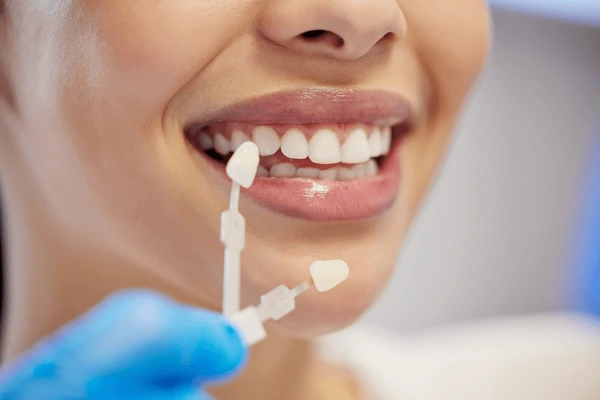
Ceramic front-tooth restoration
Veneers may address selected front-tooth shape concerns when appropriate.
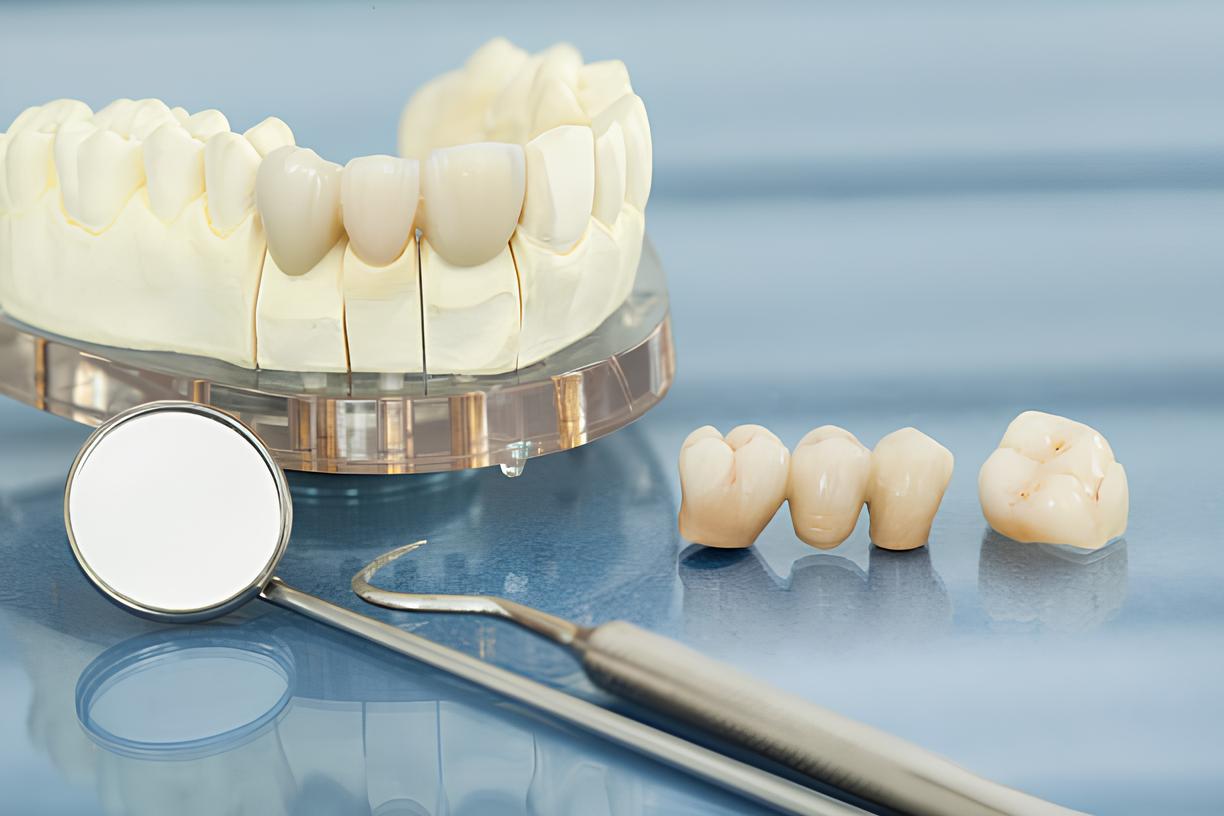
Full-coverage restoration
Crowns may be considered where teeth are extensively weakened or already heavily restored.
After Assessment
A custom appliance may help protect teeth from sleep-related grinding, though it does not stop every cause.
Dietary patterns, reflux symptoms, and timing of brushing may need attention.
Stable mild wear can be photographed or scanned and reviewed before restorative treatment.
Complex generalised wear may need phased full-mouth planning to test bite changes before definitive restorations.
Why AMD Dental Clinic
Tooth wear care starts by understanding progression, causes, bite, and how much sound structure remains.
Clinical findings, photographs, and digital records can establish a baseline.
Grinding, acid exposure, habits, tooth position, and missing support are considered.
Conservative techniques are prioritised where they can meet the functional need.
Repair, review, and protective needs are explained as part of treatment planning.
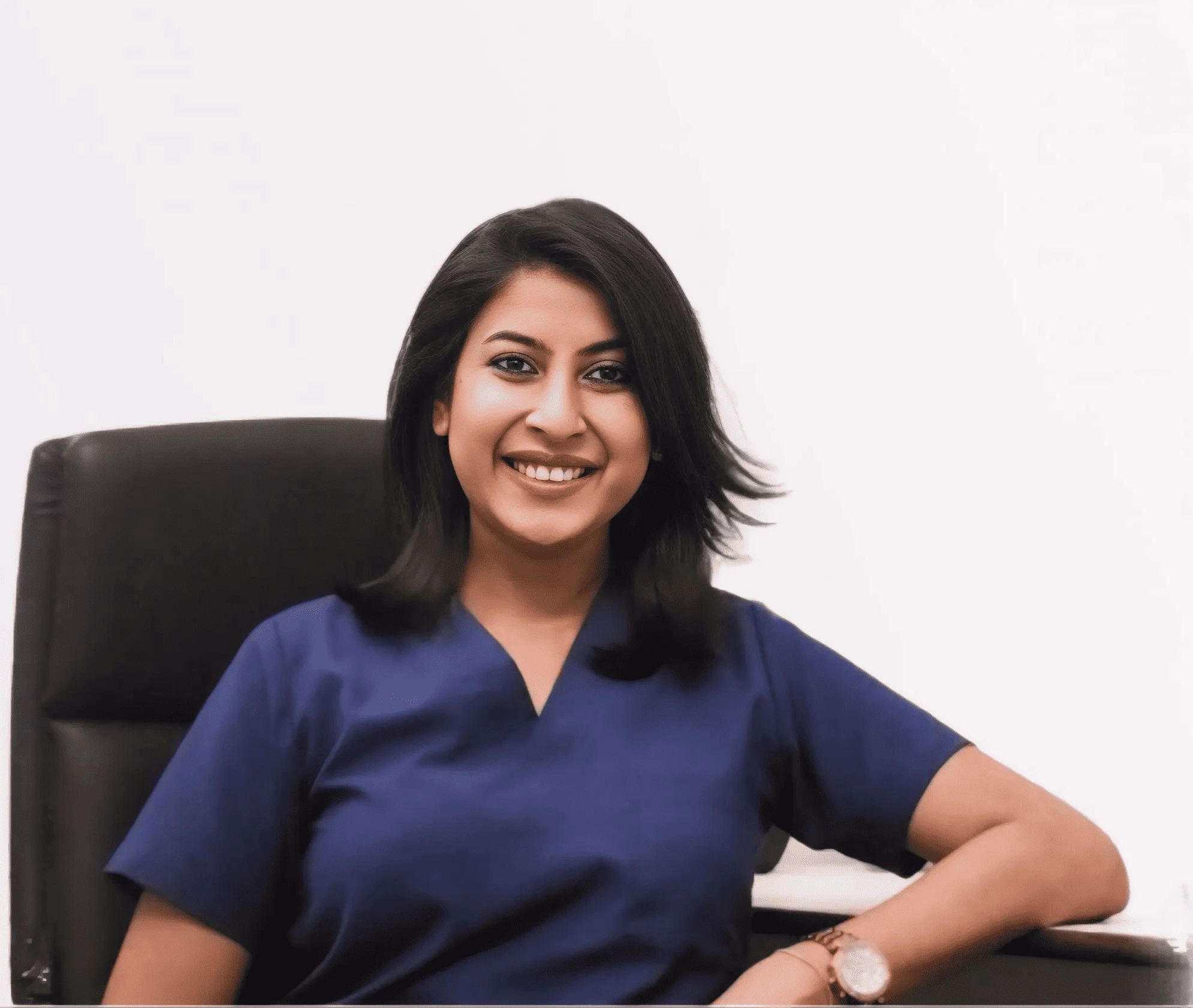
Meet Dr. Mili Gupta
Maxillofacial Prosthodontist and Implantologist
M.D.S. (SDM College of Dental Sciences, Dharwad), B.D.S. (Jaipur Dental College, Jaipur)
Dr. Mili Gupta is a Maxillofacial Prosthodontist and Implantologist with 10+ years of experience and more than 20,000 dental procedures completed. Her work includes implant, restorative, cosmetic, and routine dental care. She takes time to assess each concern, explain the available options, and plan treatment around the patient's clinical needs and priorities.
View Dr. Mili Gupta's profilePatient Stories
Our patients share their treatment journeys with Dr. Mili Gupta, highlighting her compassionate care, attention to detail, and clinical precision.
Google Reviews
Read what patients say about their consultations, treatment explanations, comfort, and care at AMD Dental Clinic.
I had a really great experience with my dentist! She was extremely professional, gentle, and made me feel comfortable throughout the entire process. I recently got a new dental cap, and I’m very happy with the result. The fitting looks natural and feels great. She took the time to understand my concerns and explained everything clearly. I truly appreciate her patience, care, and attention to detail. Highly recommended if you’re looking for a skilled and caring dentist! ❤️🦷👩🏻⚕️
This clinic sets a high standard for dental care. The hygiene, cleanliness, and attention to detail are outstanding. From reception to treatment, everything is managed efficiently. The doctor is skilled, caring, and genuinely concerned about patient comfort. My treatment was completed perfectly, and I'm extremely happy with the outcome. I highly recommend this clinic to family and friends.
Amazing experience! The clinic has a very professional and systematic approach. Every patient is attended to on time, the instruments are properly sterilized, and the entire environment is neat and hygienic. The doctor is knowledgeable, gentle, and explains everything clearly. I'm very satisfied with my treatment and will definitely return for future dental care.
I recently completed a comprehensive dental treatment at AMD Dental Clinic, Jaipur, near Lal Kothi, under the care of Dr. Mili, and I am extremely satisfied with the overall experience and results. My treatment involved several different dental procedures, and I was initially a little apprehensive because of the extent of the treatment. However, Dr. Mili explained each step clearly, guided me throughout the process, and made me feel comfortable and confident. The treatment journey included: * Wisdom tooth extractions: I had two wisdom teeth removed, along with two other teeth. The procedures were handled professionally, and I received proper guidance regarding aftercare and recovery. * Sinus lift and dental implants: I later underwent a sinus lift procedure followed by the placement of two dental implants. This was an important and more complex stage of my treatment, but Dr. Mili handled it with great care and precision. I felt that she paid close attention to every detail throughout the procedure and follow-up. * Root canal treatment: I subsequently required root canal treatment in three lower teeth. Again, the treatment was carried out systematically, and I was kept informed about what was being done at every stage. * Dental fillings: I also had some fillings done as part of completing my overall dental treatment. * Zirconia crowns: Finally, I received five zirconia crowns, which completed the restorative part of my treatment. I am very happy with both the appearance and overall finish of the crowns. What impressed me most was that the treatment was not rushed. Each stage was planned and completed carefully, with appropriate follow-ups. Dr. Mili is highly qualified, knowledgeable, skilled, and attentive to detail. Her professional approach and ability to explain the treatment gave me a lot of confidence. The entire team at AMD Dental Clinic was also supportive and cooperative. From the initial consultation through the various procedures and final restoration, I had a positive experience. After completing such extensive dental work, I can honestly say that I am very satisfied with my treatment and the final results. My overall experience at AMD Dental Clinic has been excellent. I would definitely recommend AMD Dental Clinic and Dr. Mili to anyone looking for professional and comprehensive dental care in Jaipur, especially around the Lal Kothi area. Thank you, Dr. Mili, and the entire AMD Dental Clinic team, for taking such good care of my dental health. ⭐⭐⭐⭐⭐
I recently underwent wisdom tooth removal surgery at this clinic, and my experience was excellent. The doctor explained the procedure clearly, making me feel comfortable and confident. The surgery was smooth, and the post-operative care was outstanding. The staff was kind, professional, and supportive throughout. Highly recommended for quality dental care.
My experience at AMD Dental Clinic with Dr. Mili Gupta has been truly exceptional. I received two dental implants along with a sinus lift procedure, and also underwent several root canal treatments followed by a titanium tooth-colored bridge. I am happy to share that the treatment has been 100% successful. Today, I am able to eat comfortably and enjoy all kinds of food without any difficulty, which has greatly improved my quality of life. What stood out the most was the meticulous approach and precision with which every procedure was carried out. Dr. Mili Gupta’s expertise, steady hands, and attention to detail are truly praiseworthy. The entire team was supportive, caring, and ensured I was comfortable throughout the treatment journey. I highly recommend AMD Dental Clinic to anyone, especially senior patients, looking for safe, reliable, and advanced dental care.
I had a very pleasant and satisfying experience during my visit. I went to AMD Dental Clinic near Imli Phatak, and the clinic’s location and setup made it very convenient. The clinic is neat, hygienic, and equipped with modern dental technology, which reflects their professionalism. The dentist was very friendly and explained the procedure in a simple way, and the staff was courteous and well-coordinated. I visited for teeth cleaning and whitening, and the procedure was done very gently and effectively. I could see a visible improvement in my teeth immediately, and my smile feels much fresher and brighter now. If you are looking for professional teeth cleaning or whitening near Imli Phatak or central Jaipur, I would definitely recommend this clinic.
I had crooked and improperly aligned teeth for many years, which affected my confidence while smiling. After researching dental clinics in Jaipur, I decided to visit AMD Dental Clinic and consult Dr. Mili Gupta. It turned out to be the best decision I made for my smile. Dr. Mili explained my orthodontic problem very clearly and guided me through the entire braces treatment process step by step. Throughout the treatment, she was extremely patient, gentle, and professional. The clinic is very clean, well maintained, and the staff is also supportive and friendly. Over time, my teeth alignment improved beautifully and now my smile looks much more confident and natural. I am truly happy with the results of my braces treatment at AMD Dental Clinic. If anyone in Jaipur is looking for a reliable dentist for braces or smile correction, I would definitely recommend Dr. Mili Gupta and her team at AMD Dental Clinic. Thank you for such wonderful care! 😊
I came from Singapore very depressed, painful gums, broken teeth and o was thinking that I will never be able to chew properly. Then I found Dr. Mili Gupta on Facebook. I saw people’s good review for her. I travelled Jaipur for my treatment from her. I saw her smiling face and got attracted by her. She gave good vibes and positive attitude so my heart told me just lie down on chair and open mouth. She started my treatment in August 2025. I get anxious very quickly but with her around me I never felt so. So she started with my wisdom tooth removal painlessly. O was very comfortable. Then I got 2 dental implants after sinus lift. My front teeth had cyst under an old bridge done long back. She removed the tooth and did my perfect smile designing. Teeth cleaning in my life for the first time was painless. Dental implants are very comfortable. I do not feel any foreign object in my mouth and it feels full natural. Best part is my front teeth. She made my smile so pretty that everyone appreciates me and tell me that I look younger. I with every sitting found Dr. Mili is so caring and minimal pain during dental treatment and her empathetic nature makes you calm. I found dr. Mili gives personnel touch to all her patients and it is main thing. She is passionate for her work. She must be satisfied with her work else she will not do it. She will keep reviewing my teeth inspire of meeting for 30 times. She will keep trying to make my teeth perfect. She is the best dentist in Jaipur.
I recently got my wisdom tooth removed at AMD Dental Clinic by Dr. Mili Gupta. As a mathematics teacher, I really appreciate precision and clarity, and Dr. Mili explained the entire procedure very logically and calmly. The wisdom tooth extraction was smooth and almost painless. The clinic is very clean and well organized, and the staff is supportive. I highly recommend AMD Dental Clinic for anyone needing wisdom tooth removal in Jaipur.
Common Questions
General information cannot replace an examination. Your dentist will explain what applies to your individual needs.
No. Enamel does not regenerate, although early acid-softening risk can be controlled and lost shape can sometimes be restored.
Not necessarily. Grinding, dietary or gastric acids, habits, tooth position, and combinations of factors can produce wear.
No. Mild stable wear may be monitored. Treatment is more likely when wear progresses or affects comfort, structure, function, or appearance.
Composite bonding can rebuild selected edges, but suitability depends on bite, remaining enamel, available space, and the cause of damage.
An appliance can protect teeth and restorations, but it may not eliminate grinding or address every contributing factor.
Yes. Repeated gastric acid exposure can contribute to erosion and should be discussed with both dental and medical clinicians.
Health Tips
Watch Dr. Mili Gupta explain common dental questions, prevention, professional care, and when a concern may need an assessment.
Blogs
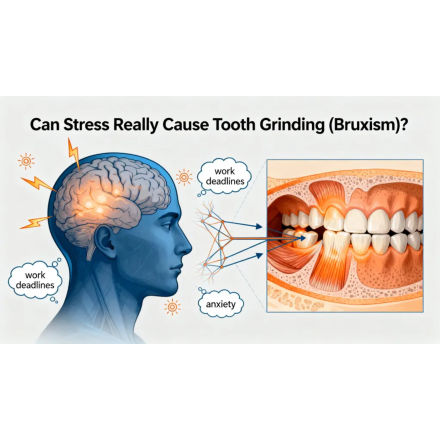
Discover how stress impacts your oral health and triggers bruxism (tooth grinding). Learn tips to protect your smile from AMD Dental Clinic. Read...
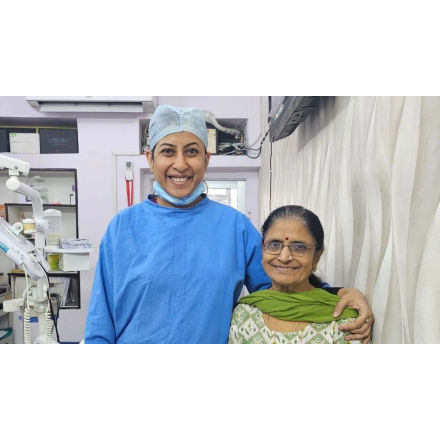
Discover how Dr. Mili Gupta, prosthodontist in Jaipur transforms smiles! Learn about dentures, implants, and expert care at AMD Dental Clinic. Vi...
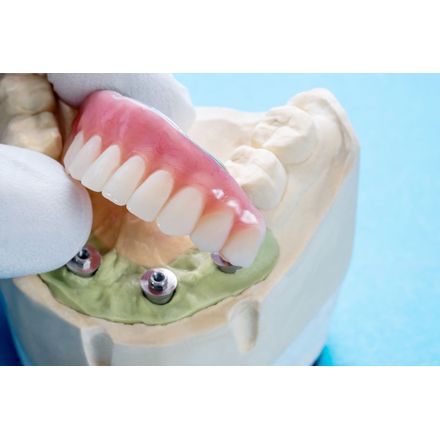
Discover the life-changing benefits of full-mouth rehabilitation, from restored functionality to enhanced confidence, with Full Mouth Implant Reh...
Request a consultation
Tell us about your dental concern, request an appointment, or use the map to plan your visit to AMD Dental Clinic near Imli Phatak, Jaipur.
Direct to our clinic team
Send your details to AMD Dental Clinic. We will call you to confirm availability.
Visits strictly by appointment