


About this album
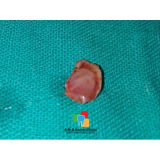
Successful Removal of Mucocele: Mr. Bansal's Positive Experience
Patient Background:
Mr. Sanjeev Bansal is a 45-year-old male who presented to AMD Dental Clinic with a chief complaint of a painless swelling on the lower lip that had been gradually increasing in size over the past six months. Upon examination, a diagnosis of mucocele was made based on clinical findings and patient history.
Clinical Presentation:
The mucocele appeared as a bluish, fluctuant swelling measuring approximately 1.5 cm in diameter on the inner aspect of the lower lip. Mr. Bansal reported occasional irritation while eating due to the size of the lesion, but he did not experience pain or other discomfort. On intraoral examination, the mucocele exhibited classic characteristics of a mucous extravasation phenomenon, consistent with the clinical diagnosis.
Surgical Procedure:
Under local anesthesia, a small incision was made along the mucosal surface of the lower lip, directly overlying the mucocele. Care was taken to avoid injury to nearby structures and to ensure complete removal of the lesion and its associated glandular tissue. Hemostasis was achieved using RF Cautery, and the wound was closed with sutures.
Postoperative Care and Follow-Up:
Mr. Sanjeev was provided with detailed postoperative instructions, including guidelines for oral hygiene, pain management, and dietary modifications. He was advised to avoid hot, spicy, and hard foods that could potentially traumatize the surgical site during the initial healing phase. Additionally, he was instructed to perform gentle mouth rinses with a prescribed antiseptic solution to promote wound healing and reduce the risk of infection.
Outcome and Patient Experience:
Mr. Bansal reported minimal discomfort in the immediate postoperative period, which was effectively managed with over-the-counter analgesics as prescribed. Swelling and bruising were also minimal and resolved within the first week following surgery. He adhered to the recommended postoperative care regimen diligently and reported no complications or adverse events during the healing process.
At the two-week follow-up appointment, the surgical site had healed satisfactorily, with no signs of infection or recurrence of the mucocele. Mr. Bansal expressed his satisfaction with the outcome of the procedure and appreciated the professionalism and compassion exhibited by the surgical team throughout his treatment journey. He noted a significant improvement in his oral comfort and overall quality of life following the removal of the mucocele.
Conclusion:
The successful removal of the mucocele resulted in a positive experience for Mr. Bansal, highlighting the importance of accurate diagnosis, appropriate treatment planning, and comprehensive patient care in achieving favorable outcomes in oral surgery. Through effective communication and personalized attention, patients can be empowered to actively participate in their treatment and recovery process, ultimately leading to improved oral health and well-being.