Assessment before treatment
Clinical findings, your priorities, and appropriate diagnostic records are considered before treatment is recommended.
Crowns and Bridges in Jaipur
Near Imli Phatak · Vidhan Sabha · Lal Kothi · Tonk Road
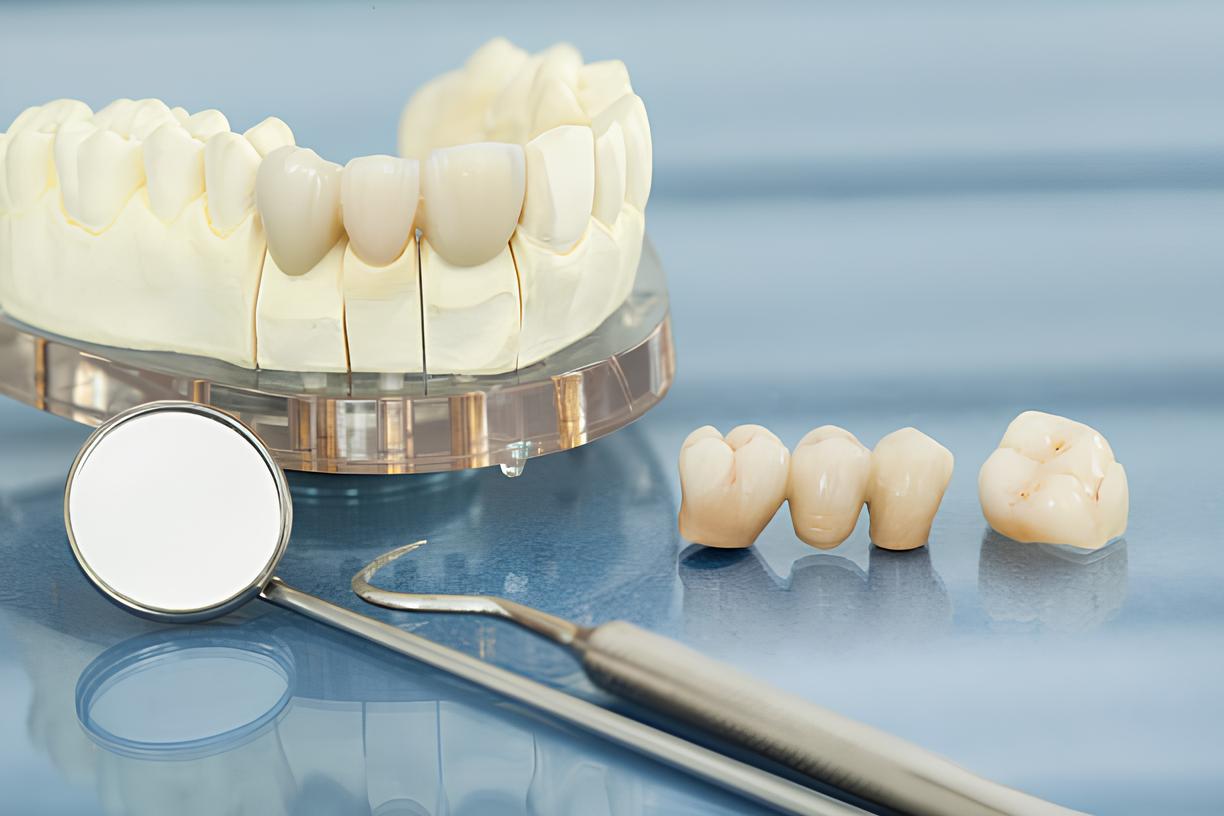
A carefully planned crown can protect a restorable tooth, while a bridge may replace a suitable gap and support comfortable chewing.
Medically reviewed by Dr. Mili Gupta, M.D.S. ·
5,000+
Happy Patients
10,000+
Smile Makeovers
10+
Years of Clinical Experience
4.9
Google Rating (610 Reviews)
Understanding Treatment
A crown is a fitted restoration that covers a prepared tooth. A bridge holds one or more replacement teeth in a gap, supported by suitable natural teeth or implants.
A crown may be discussed when a tooth is weakened by extensive decay, a large filling, fracture, wear, or root canal treatment and a more conservative restoration is unlikely to provide enough protection.
Bridge designs include conventional bridges supported by crowned teeth, resin-bonded bridges that use bonded wings in selected situations, and implant-supported bridges. Each has different requirements, advantages, and limitations.
Metal, ceramic, metal-ceramic, and other tooth-coloured materials may be considered depending on the tooth position, bite, available space, appearance goals, and clinical findings. The most suitable option can only be selected after assessment.
Signs to Discuss
An assessment may be useful if a tooth feels weak or damaged, or if a missing tooth is affecting comfort, cleaning, appearance, or function.
Limited healthy tooth structure may not reliably support another direct filling.
A restorable tooth may need coverage, although some cracks extend too far for a crown to help.
Depending on its position and remaining structure, a root-treated tooth may need protection from biting forces.
A bridge may be an option when the gap, supporting teeth, gums, and bite are suitable.
Loss of tooth structure may affect chewing, sensitivity, or the stability of the bite.
A crown may be considered only when the restorative need justifies tooth preparation and conservative options are unsuitable.
These concerns do not automatically mean that you need a crown or bridge. An examination and, when appropriate, X-rays or other records are needed to assess the tooth, roots, bone, gums, bite, and supporting teeth.
Treatment Process
The sequence varies with the condition of the teeth and gums, the restoration selected, and whether preliminary care or healing is required.
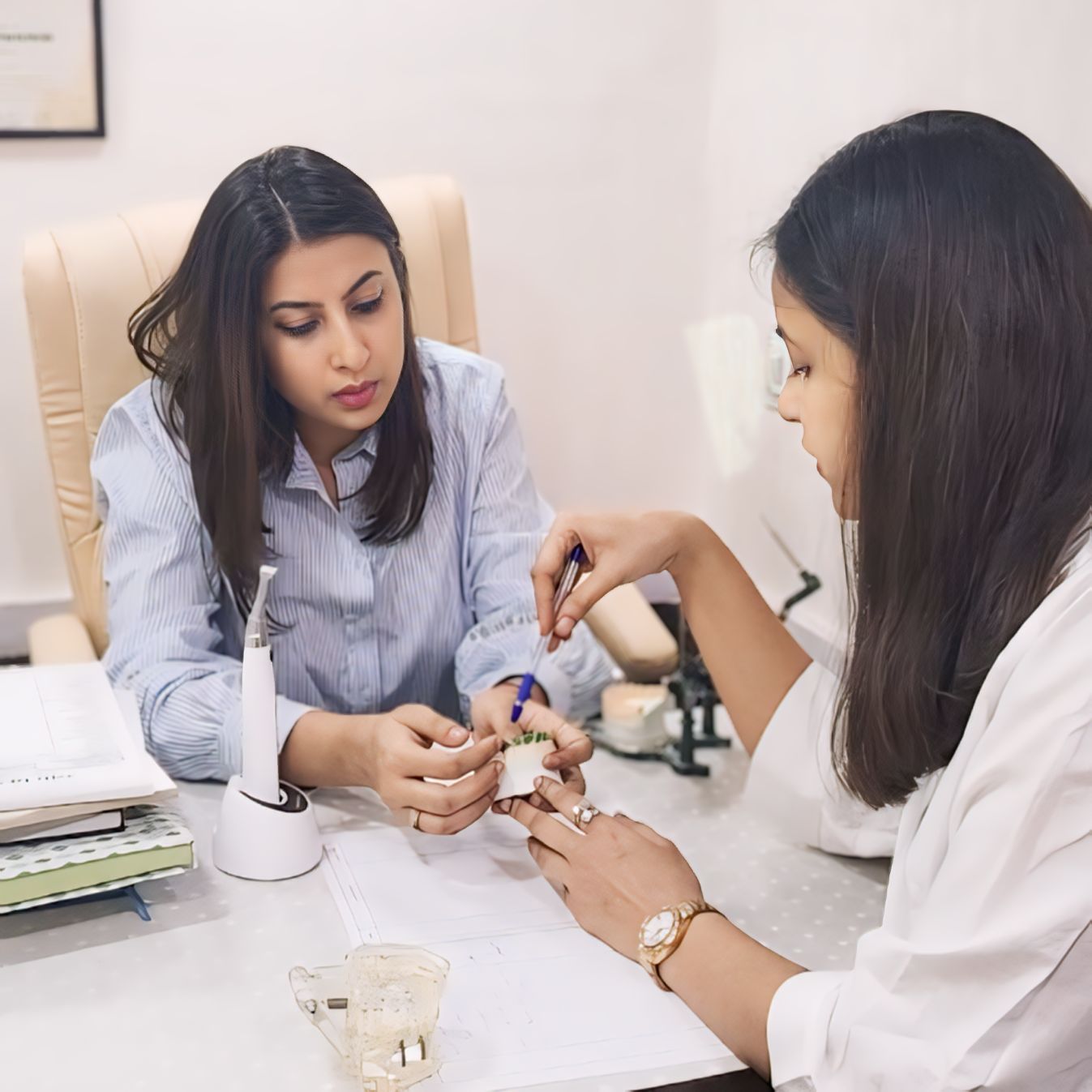
The tooth, gums, bite, gap, and possible supporting teeth are assessed. X-rays, photographs, a scan, or impressions may be advised when they help planning.
Decay or gum disease may need treatment first. Some teeth may require root canal treatment, foundation work, extraction, healing, or referral before the final restoration.
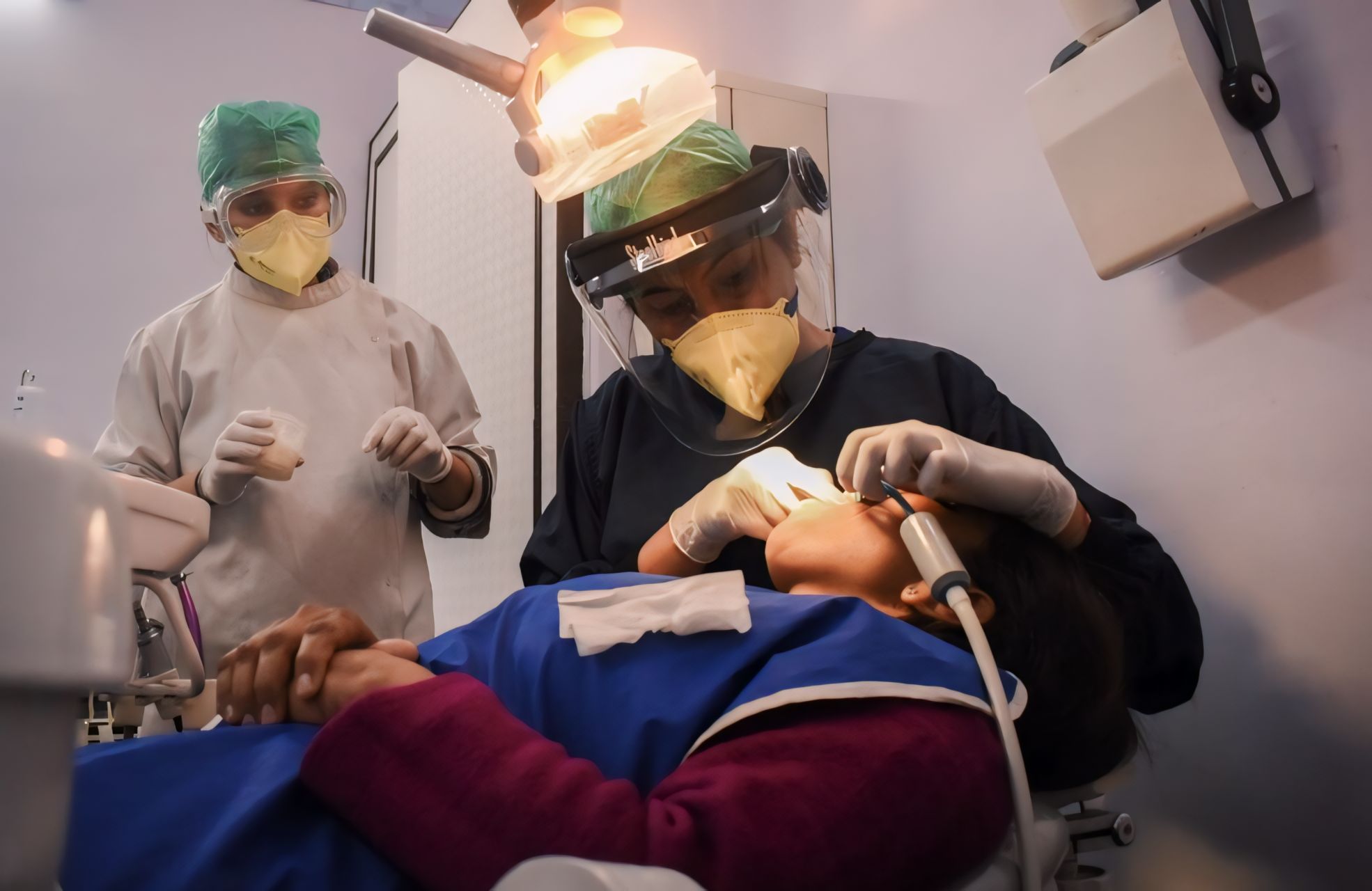
For many crowns and conventional bridges, teeth are shaped under local anaesthesia. A scan or impression is taken and a temporary restoration may be fitted.
The final restoration is checked for fit, bite, contacts, cleaning access, and appearance before it is secured. Adjustments or a further visit may be needed.
What to Expect
Your appointments and experience will depend on the restoration, the health of the supporting teeth, and whether laboratory or healing stages are involved.
Local anaesthesia is commonly used when teeth are prepared. Tell the dental team if you feel discomfort or need a pause.
A temporary crown or bridge may feel different from the final restoration. It needs careful cleaning and may require food precautions while the final work is prepared.
Fit, bite, speech, cleaning access, and appearance are reviewed. Shade matching has natural limits, particularly beside aged or discoloured teeth.
After Your Visit
Mild gum tenderness or short-term sensitivity may occur after preparation or placement. Follow the individual advice given about eating and cleaning, especially while wearing a temporary restoration or while local anaesthesia is wearing off.
Contact the clinic if your bite feels persistently high, pain is severe or worsening, swelling develops, or the crown, bridge, or temporary feels loose or breaks. Do not try to glue a restoration back yourself.
Brush twice daily with fluoride toothpaste and clean carefully around every restoration margin.
Use floss threaders, interdental brushes, or another advised aid to clean beneath a bridge each day.
Avoid biting hard objects and discuss clenching or grinding, as a protective appliance may be considered after assessment.
Attend recommended examinations and professional cleaning so the restoration, gums, bite, and supporting teeth can be monitored.
There is no fixed lifespan. Longevity depends on the health and amount of supporting tooth, bridge span, material, fit, bite forces, oral hygiene, diet, smoking, grinding habits, and regular maintenance.
A restoration can remain useful for many years, but the crown, bridge, cement, or supporting tooth may later need treatment, repair, or replacement. Regular reviews may identify decay, gum problems, wear, or loosening before they become more difficult to manage.
For a damaged tooth, a filling, bonded restoration, inlay or onlay, veneer, root canal treatment, monitoring, or extraction may be considered depending on how much healthy structure remains and what problem needs to be solved.
For a missing tooth, options may include an implant-supported restoration, removable denture, resin-bonded bridge, conventional bridge, orthodontic space closure, or leaving the space in selected cases. Each choice differs in tooth preparation, treatment time, surgery, maintenance, cost, and likely limitations.
Why AMD Dental Clinic
Your care is planned around an accurate assessment, careful clinical protocols, and your long-term oral health.
Clinical findings, your priorities, and appropriate diagnostic records are considered before treatment is recommended.
The reasons for the proposed design, material, tooth preparation, and possible alternatives are discussed.
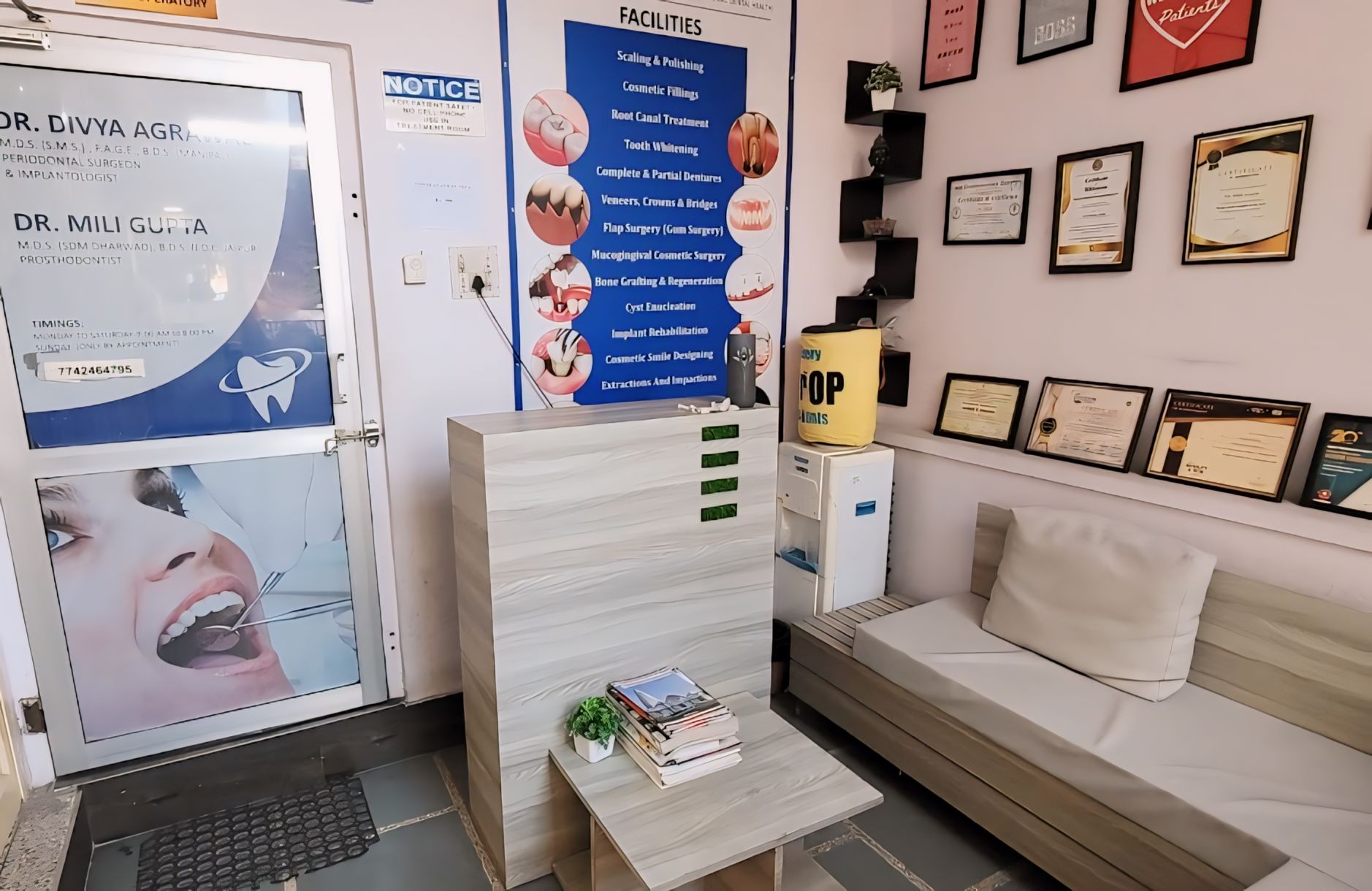
Established sterilization and infection-control protocols support a clean, carefully managed treatment environment.
Suitable options, expected outcomes, limitations, timing, and aftercare are discussed before treatment begins.
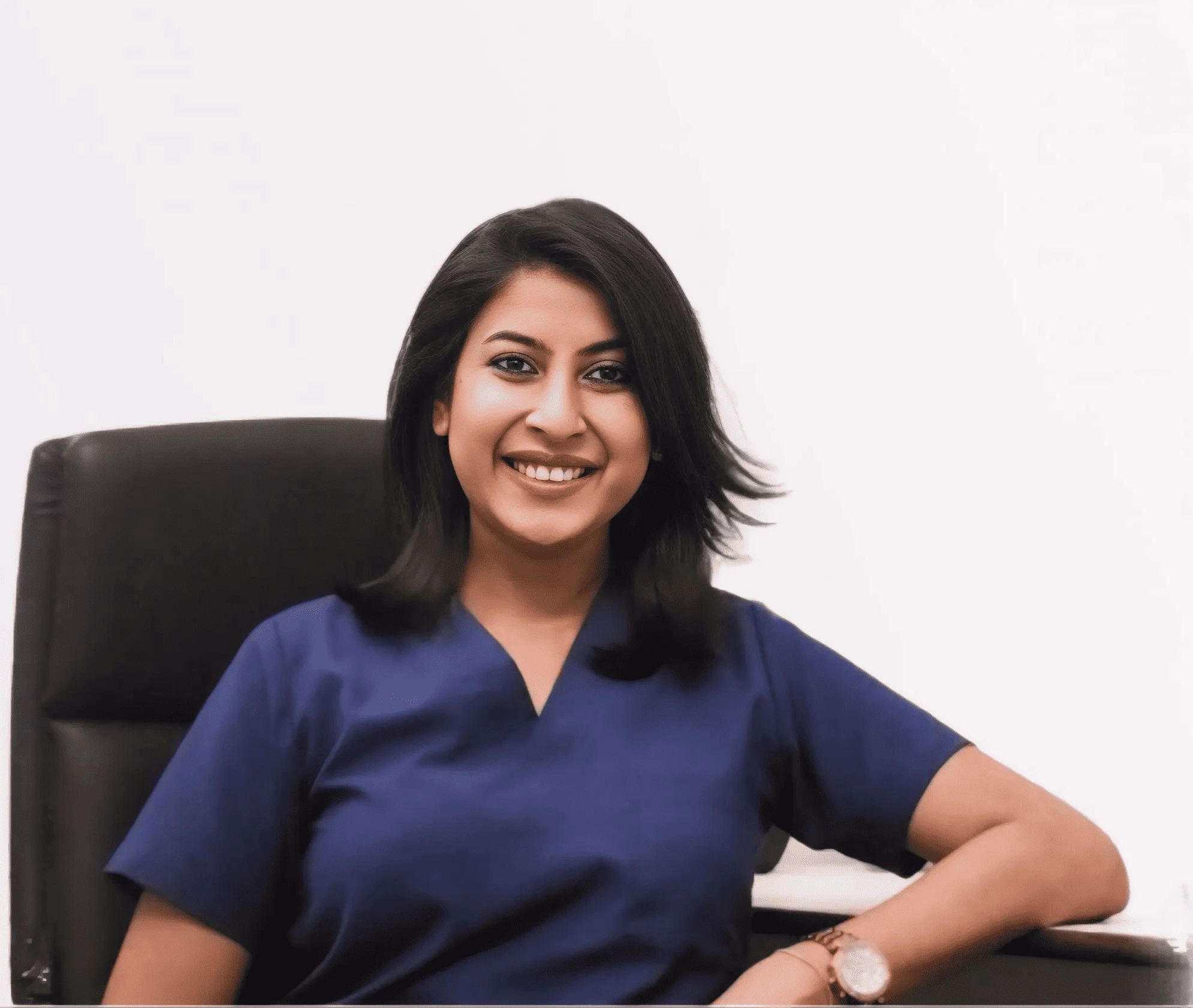
Meet Dr. Mili Gupta
Maxillofacial Prosthodontist and Implantologist
M.D.S. (SDM College of Dental Sciences, Dharwad), B.D.S. (Jaipur Dental College, Jaipur)
Dr. Mili Gupta is a Maxillofacial Prosthodontist and Implantologist with 10+ years of experience and more than 20,000 dental procedures completed. Her work includes implant, restorative, cosmetic, and routine dental care. She takes time to assess each concern, explain the available options, and plan treatment around the patient's clinical needs and priorities.
View Dr. Mili Gupta's profilePatient Stories
Our patients share their treatment journeys with Dr. Mili Gupta, highlighting her compassionate care, attention to detail, and clinical precision.
Google Reviews
Read what patients say about their consultations, treatment explanations, comfort, and care at AMD Dental Clinic.
I had a really great experience with my dentist! She was extremely professional, gentle, and made me feel comfortable throughout the entire process. I recently got a new dental cap, and I’m very happy with the result. The fitting looks natural and feels great. She took the time to understand my concerns and explained everything clearly. I truly appreciate her patience, care, and attention to detail. Highly recommended if you’re looking for a skilled and caring dentist! ❤️🦷👩🏻⚕️
This clinic sets a high standard for dental care. The hygiene, cleanliness, and attention to detail are outstanding. From reception to treatment, everything is managed efficiently. The doctor is skilled, caring, and genuinely concerned about patient comfort. My treatment was completed perfectly, and I'm extremely happy with the outcome. I highly recommend this clinic to family and friends.
Amazing experience! The clinic has a very professional and systematic approach. Every patient is attended to on time, the instruments are properly sterilized, and the entire environment is neat and hygienic. The doctor is knowledgeable, gentle, and explains everything clearly. I'm very satisfied with my treatment and will definitely return for future dental care.
I recently completed a comprehensive dental treatment at AMD Dental Clinic, Jaipur, near Lal Kothi, under the care of Dr. Mili, and I am extremely satisfied with the overall experience and results. My treatment involved several different dental procedures, and I was initially a little apprehensive because of the extent of the treatment. However, Dr. Mili explained each step clearly, guided me throughout the process, and made me feel comfortable and confident. The treatment journey included: * Wisdom tooth extractions: I had two wisdom teeth removed, along with two other teeth. The procedures were handled professionally, and I received proper guidance regarding aftercare and recovery. * Sinus lift and dental implants: I later underwent a sinus lift procedure followed by the placement of two dental implants. This was an important and more complex stage of my treatment, but Dr. Mili handled it with great care and precision. I felt that she paid close attention to every detail throughout the procedure and follow-up. * Root canal treatment: I subsequently required root canal treatment in three lower teeth. Again, the treatment was carried out systematically, and I was kept informed about what was being done at every stage. * Dental fillings: I also had some fillings done as part of completing my overall dental treatment. * Zirconia crowns: Finally, I received five zirconia crowns, which completed the restorative part of my treatment. I am very happy with both the appearance and overall finish of the crowns. What impressed me most was that the treatment was not rushed. Each stage was planned and completed carefully, with appropriate follow-ups. Dr. Mili is highly qualified, knowledgeable, skilled, and attentive to detail. Her professional approach and ability to explain the treatment gave me a lot of confidence. The entire team at AMD Dental Clinic was also supportive and cooperative. From the initial consultation through the various procedures and final restoration, I had a positive experience. After completing such extensive dental work, I can honestly say that I am very satisfied with my treatment and the final results. My overall experience at AMD Dental Clinic has been excellent. I would definitely recommend AMD Dental Clinic and Dr. Mili to anyone looking for professional and comprehensive dental care in Jaipur, especially around the Lal Kothi area. Thank you, Dr. Mili, and the entire AMD Dental Clinic team, for taking such good care of my dental health. ⭐⭐⭐⭐⭐
I recently underwent wisdom tooth removal surgery at this clinic, and my experience was excellent. The doctor explained the procedure clearly, making me feel comfortable and confident. The surgery was smooth, and the post-operative care was outstanding. The staff was kind, professional, and supportive throughout. Highly recommended for quality dental care.
My experience at AMD Dental Clinic with Dr. Mili Gupta has been truly exceptional. I received two dental implants along with a sinus lift procedure, and also underwent several root canal treatments followed by a titanium tooth-colored bridge. I am happy to share that the treatment has been 100% successful. Today, I am able to eat comfortably and enjoy all kinds of food without any difficulty, which has greatly improved my quality of life. What stood out the most was the meticulous approach and precision with which every procedure was carried out. Dr. Mili Gupta’s expertise, steady hands, and attention to detail are truly praiseworthy. The entire team was supportive, caring, and ensured I was comfortable throughout the treatment journey. I highly recommend AMD Dental Clinic to anyone, especially senior patients, looking for safe, reliable, and advanced dental care.
I had a very pleasant and satisfying experience during my visit. I went to AMD Dental Clinic near Imli Phatak, and the clinic’s location and setup made it very convenient. The clinic is neat, hygienic, and equipped with modern dental technology, which reflects their professionalism. The dentist was very friendly and explained the procedure in a simple way, and the staff was courteous and well-coordinated. I visited for teeth cleaning and whitening, and the procedure was done very gently and effectively. I could see a visible improvement in my teeth immediately, and my smile feels much fresher and brighter now. If you are looking for professional teeth cleaning or whitening near Imli Phatak or central Jaipur, I would definitely recommend this clinic.
I had crooked and improperly aligned teeth for many years, which affected my confidence while smiling. After researching dental clinics in Jaipur, I decided to visit AMD Dental Clinic and consult Dr. Mili Gupta. It turned out to be the best decision I made for my smile. Dr. Mili explained my orthodontic problem very clearly and guided me through the entire braces treatment process step by step. Throughout the treatment, she was extremely patient, gentle, and professional. The clinic is very clean, well maintained, and the staff is also supportive and friendly. Over time, my teeth alignment improved beautifully and now my smile looks much more confident and natural. I am truly happy with the results of my braces treatment at AMD Dental Clinic. If anyone in Jaipur is looking for a reliable dentist for braces or smile correction, I would definitely recommend Dr. Mili Gupta and her team at AMD Dental Clinic. Thank you for such wonderful care! 😊
I came from Singapore very depressed, painful gums, broken teeth and o was thinking that I will never be able to chew properly. Then I found Dr. Mili Gupta on Facebook. I saw people’s good review for her. I travelled Jaipur for my treatment from her. I saw her smiling face and got attracted by her. She gave good vibes and positive attitude so my heart told me just lie down on chair and open mouth. She started my treatment in August 2025. I get anxious very quickly but with her around me I never felt so. So she started with my wisdom tooth removal painlessly. O was very comfortable. Then I got 2 dental implants after sinus lift. My front teeth had cyst under an old bridge done long back. She removed the tooth and did my perfect smile designing. Teeth cleaning in my life for the first time was painless. Dental implants are very comfortable. I do not feel any foreign object in my mouth and it feels full natural. Best part is my front teeth. She made my smile so pretty that everyone appreciates me and tell me that I look younger. I with every sitting found Dr. Mili is so caring and minimal pain during dental treatment and her empathetic nature makes you calm. I found dr. Mili gives personnel touch to all her patients and it is main thing. She is passionate for her work. She must be satisfied with her work else she will not do it. She will keep reviewing my teeth inspire of meeting for 30 times. She will keep trying to make my teeth perfect. She is the best dentist in Jaipur.
I recently got my wisdom tooth removed at AMD Dental Clinic by Dr. Mili Gupta. As a mathematics teacher, I really appreciate precision and clarity, and Dr. Mili explained the entire procedure very logically and calmly. The wisdom tooth extraction was smooth and almost painless. The clinic is very clean and well organized, and the staff is supportive. I highly recommend AMD Dental Clinic for anyone needing wisdom tooth removal in Jaipur.
Common Questions
General information cannot replace an examination. Your dentist will explain what applies to your individual needs.
A crown covers one prepared tooth or an implant abutment. A bridge replaces one or more missing teeth and is held by selected natural teeth, bonded wings, or implants, depending on its design.
Not always. The need depends on the tooth position, remaining structure, existing cracks, and biting forces. Back teeth often need cuspal protection, but an examination is required to choose the most conservative suitable restoration.
Local anaesthesia is commonly used for tooth preparation. Pressure and vibration may still be noticed, and temporary sensitivity or gum tenderness can occur afterwards. Tell the dental team if you are uncomfortable.
The number of visits depends on the starting condition, restoration type, laboratory stages, and whether decay, gum care, root canal treatment, extraction, healing, or referral is required first.
Possible materials include metal, ceramic, metal-ceramic, and other tooth-coloured systems. Not every material suits every tooth or bridge. Your dentist can explain suitable choices after considering the bite, space, appearance, and support.
The area beneath the replacement tooth needs daily cleaning. A floss threader, interdental brush, or another aid may be recommended according to the bridge design and available space.
Some minor problems can be repaired or a restoration may be recemented if it and the supporting tooth remain suitable. Decay, poor fit, extensive fracture, or damage to a support may mean replacement or other treatment is needed.
Cost varies with the number of teeth, bridge design, material, records, laboratory work, and any preliminary care. A written estimate can be discussed after examination and treatment planning.
Blogs
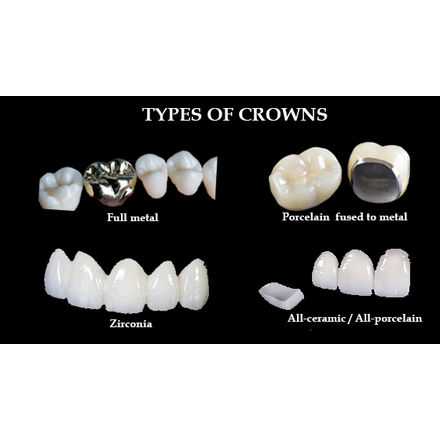
Cracked tooth in Jaipur? Get a dazzling smile with dental crowns! Explore crown types (metal, ceramic, zirconia) & costs for a perfect fit. Find...
Get accurate dental crown costs in Jaipur (PFM vs Zirconia). 100% specialist care by Dr. Mili Gupta at AMD Dental Clinic near Imli Phatak. Call t...
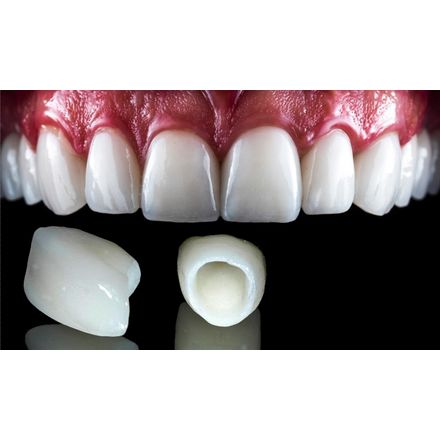
Discover the differences between porcelain and zirconia crowns in our comprehensive blog. Explore their aesthetics, durability, tooth preparation...
Health Tips
Watch Dr. Mili Gupta explain common dental questions, prevention, professional care, and when a concern may need an assessment.
Request a consultation
Tell us about your dental concern, request an appointment, or use the map to plan your visit to AMD Dental Clinic near Imli Phatak, Jaipur.
Direct to our clinic team
Send your details to AMD Dental Clinic. We will call you to confirm availability.
Visits strictly by appointment