Dental Implants in Jaipur

Dental Implant Options for Missing Teeth

Near Imli Phatak · Vidhan Sabha · Lal Kothi · Tonk Road

Dental implants may support a single crown, a bridge, or a denture. Careful assessment helps determine whether they suit your oral health, general health, bite, and goals.

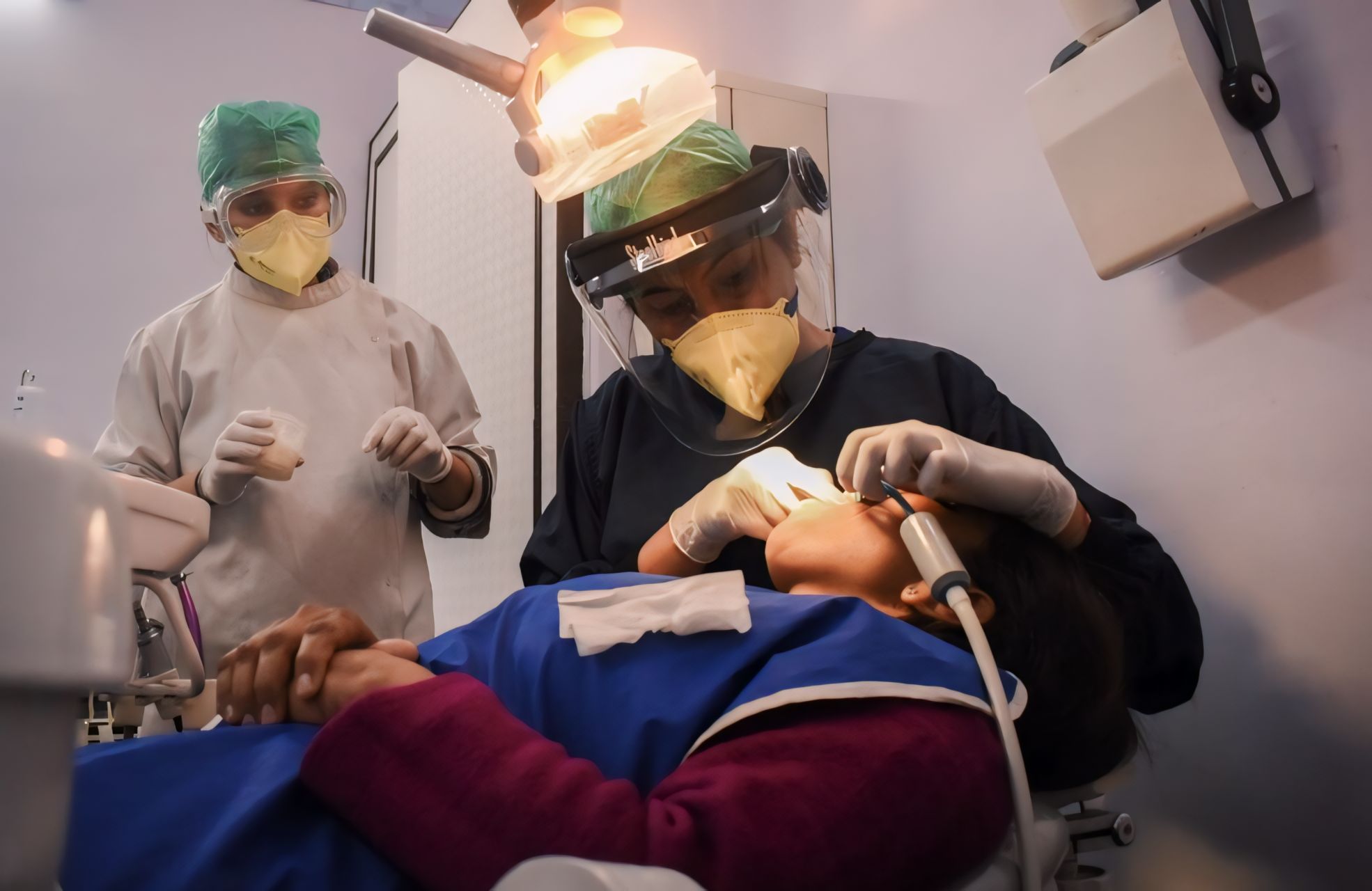
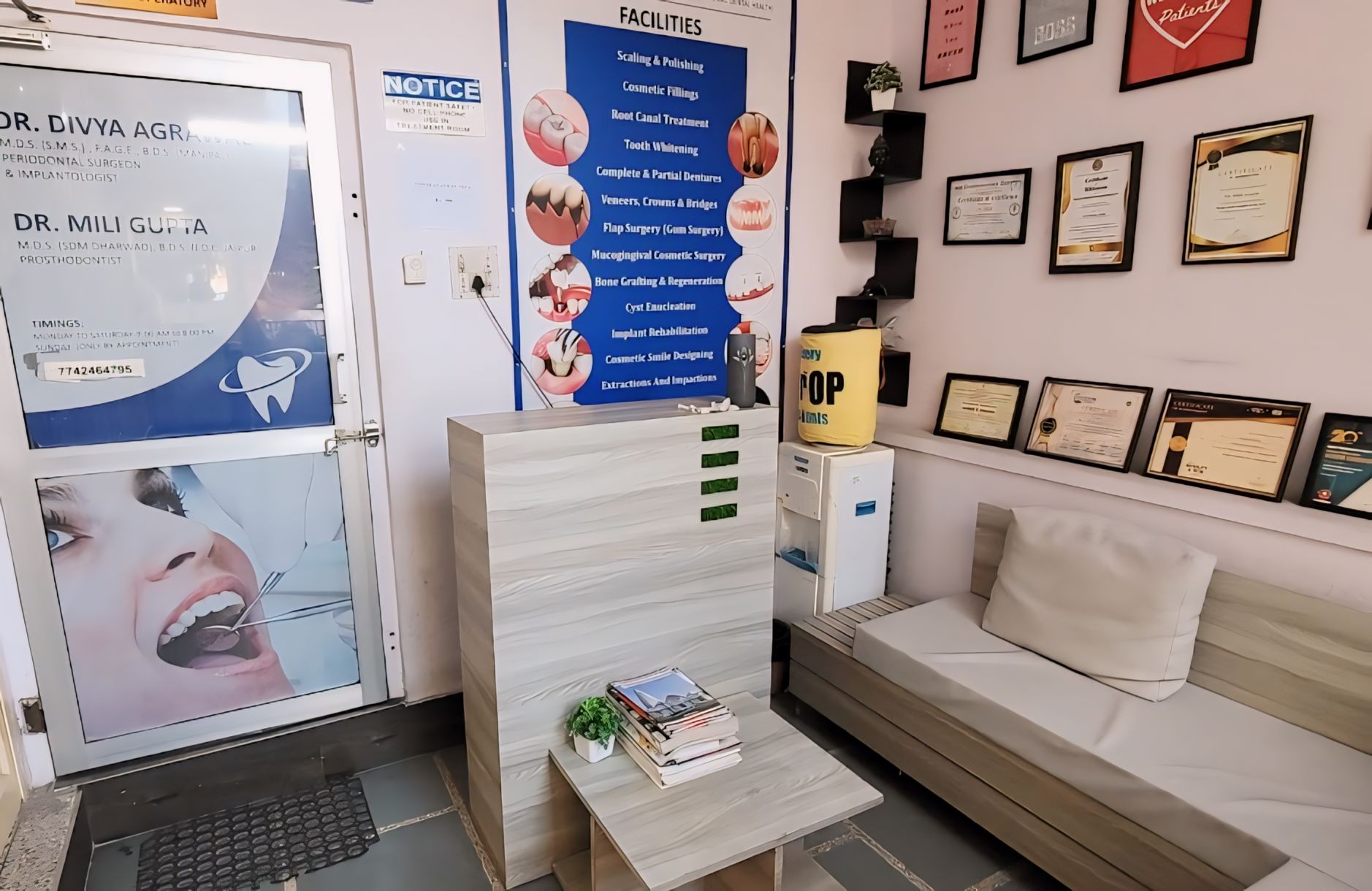
Dental implant consultation at AMD Dental Clinic in Jaipur
20,000+Dental Procedures

Medically reviewed by Dr. Mili Gupta, M.D.S. ·

5,000+

Happy Patients

10,000+

Smile Makeovers

10+

Years of Clinical Experience

4.9

Google Rating (610 Reviews)

Dental implant consultation at AMD Dental Clinic in Jaipur

Understanding Treatment

What Are Dental Implants?

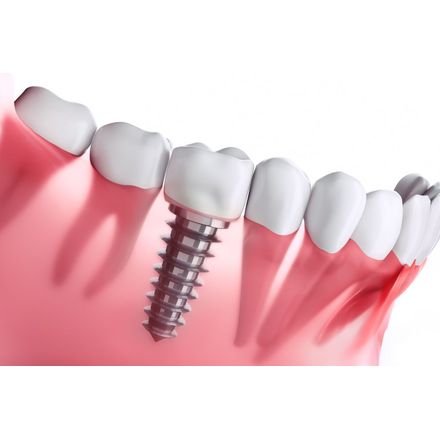
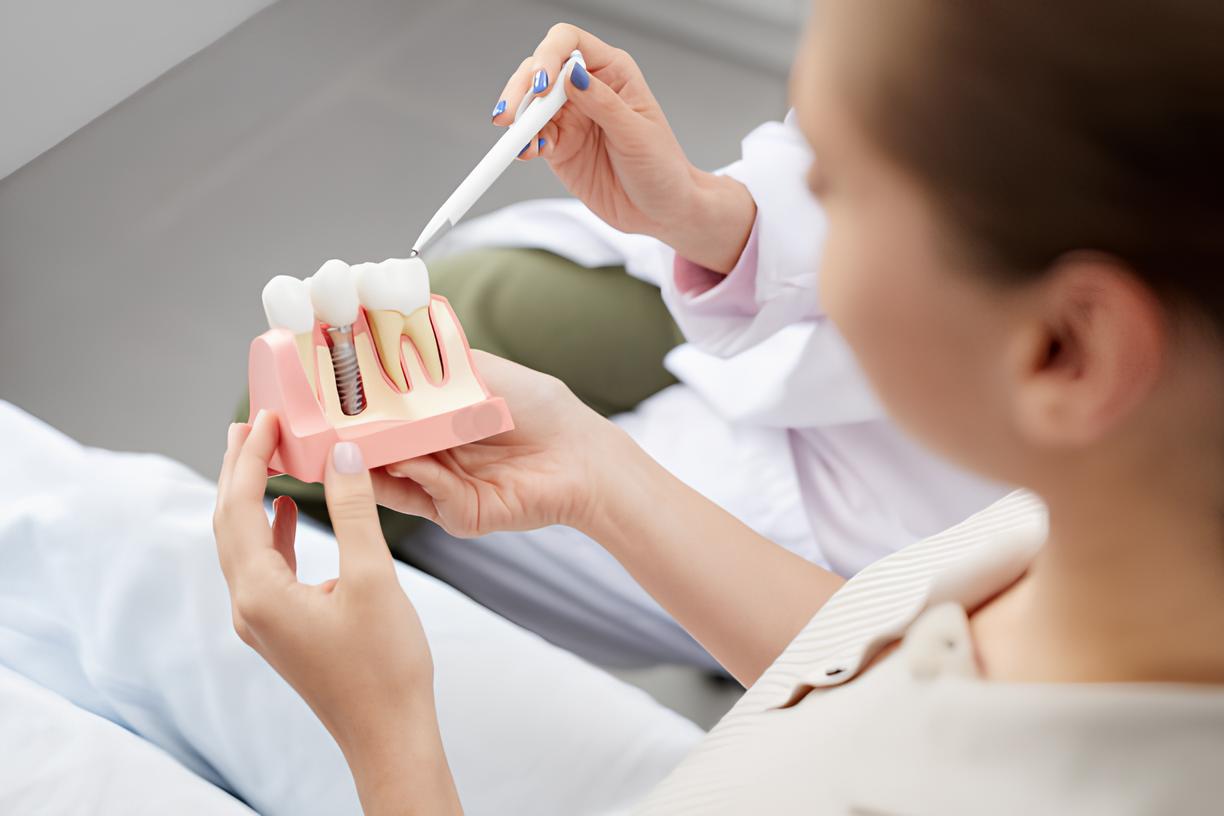
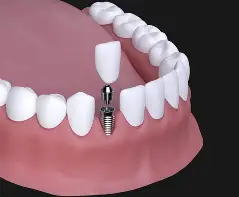
A dental implant is a small fixture placed in the jaw bone to act as a foundation for a replacement tooth. Once the area has healed appropriately, it can support a crown, bridge, or removable denture.

Implant care has surgical and restorative stages. The implant is placed below the gum, while the visible replacement is made separately to suit the available space, bite, and appearance. A single implant may replace one tooth, several implants may support a bridge, and selected patients may use implants to steady a denture or support a full-arch restoration.

Suitability depends on the amount and quality of bone, gum health, space, bite, medical history, medicines, smoking or tobacco use, and ability to clean around the restoration. Examination and dental X-rays are commonly required; a three-dimensional scan or other records may be advised when they are relevant to planning.

Any active decay or gum disease should be controlled first. An unrestorable tooth may need extraction, and some sites require bone or gum augmentation before or alongside implant placement. Immediate placement or an early temporary tooth is possible only in selected situations and should not be assumed before assessment.

Treatment Family

Available Treatment Options

Implants can support different replacement designs. The number and position of implants depend on the missing teeth, bone, gums, bite, cleaning access, and whether the restoration is fixed or removable.

Single dental implant crown option Option 01

Single Implant Crown

One implant supports a crown to replace one suitable missing tooth.

May suit

  • A single missing tooth
  • Suitable bone and gum support
  • A gap where neighbouring teeth can remain untreated

Considerations

  • Space, gum level, and bite affect the result
  • The crown and implant need long-term maintenance
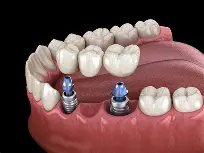
Implant-supported dental bridge option Option 02

Implant-Supported Bridge

Two or more implants support a fixed bridge replacing several adjacent teeth.

May suit

  • Several neighbouring missing teeth
  • Patients seeking a fixed replacement
  • Sites with a suitable implant distribution

Considerations

  • Not every missing tooth needs its own implant
  • Cleaning beneath the bridge requires specific aids
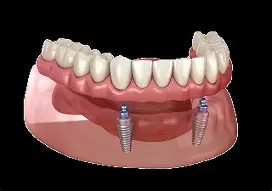
Implant-retained removable denture option Option 03

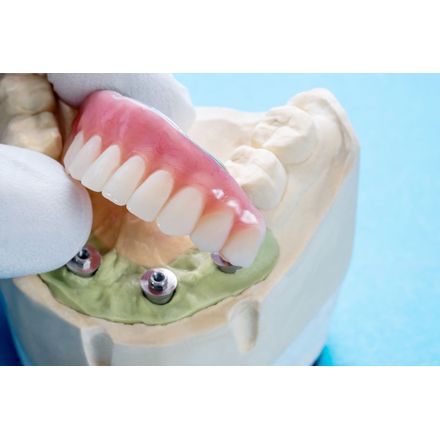
Implant-Retained Denture

Implants provide attachment and improved retention for a removable denture.

May suit

  • A loose or unstable complete denture
  • Patients able to remove and clean the denture
  • Cases where added retention is the main priority

Considerations

  • The denture normally remains removable
  • Attachments and the denture need periodic maintenance
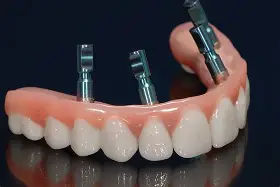
Full-arch implant restoration option Option 04

Full-Arch Implant Restoration

A planned group of implants supports replacement teeth across a full dental arch.

May suit

  • Most or all teeth in an arch are missing or cannot be retained
  • Patients suitable for coordinated surgical and restorative care
  • Cases with practical long-term cleaning access

Considerations

  • Planning, surgery, provisional care, and final restoration may be staged
  • Bone, gum, speech, hygiene, and maintenance can limit suitability

Side-by-Side Guide

Comparing the Options

No option is universally best. Suitability depends on clinical findings, practical responsibilities, priorities, and informed choice.

Factor Option 01Single Implant CrownOption 02Implant-Supported BridgeOption 03Implant-Retained DentureOption 04Full-Arch Implant Restoration
Typical scope One missing tooth.Several adjacent missing teeth.A removable denture needing added retention.Most or all teeth across one arch.
Restoration type Fixed crown.Fixed bridge.Removable denture with implant attachments.Fixed or removable design depending on the plan.
Cleaning Clean around the crown with tailored interdental care.Clean around implants and beneath the connected bridge.Remove and clean the denture and attachments daily.Use specific aids beneath and around the full-arch restoration.
Planning considerations Space, gum level, bone, and bite.Implant distribution, span, bite, and cleaning access.Bone, attachment position, denture space, and manual care.Bone, smile line, speech, bite, hygiene, provisional stages, and maintenance.

Signs to Discuss

When Should You Discuss Dental Implants?

An implant assessment may be useful when missing or failing teeth affect eating, speech, appearance, or the stability of a denture.

One missing tooth

An implant-supported crown may fill a suitable gap without using the neighbouring teeth as bridge supports.

Several missing teeth

A carefully planned implant bridge may replace multiple teeth without placing an implant for every missing tooth.

Loose or unstable denture

Selected dentures can attach to implants for improved retention, although they may still need daily removal and cleaning.

Dental implant consultation at AMD Dental Clinic in Jaipur

A tooth that cannot be saved

When conservative treatment cannot predictably retain a severely damaged tooth, replacement options may be discussed before extraction.

Difficulty chewing

Missing teeth or a moving denture can make chewing less efficient. Implant support may improve stability in suitable cases.

Concern about a visible gap

An implant restoration may improve the appearance of a gap, but the gum line, bone, and neighbouring teeth affect the result.

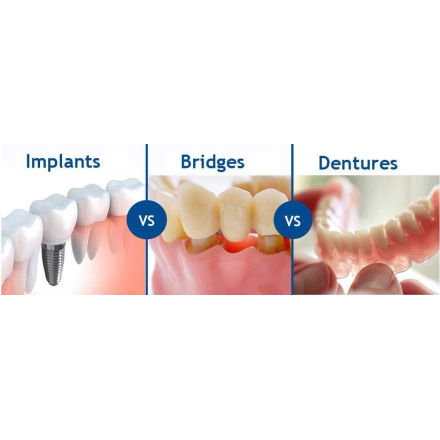
An implant is not automatically the best option for every missing or damaged tooth. The dentist will first consider whether the tooth can be conserved and compare implant treatment with a bridge, denture, or leaving the space under review.

Considering a Dental Implant?

Request an assessment at AMD Dental Clinic in Jaipur to understand whether the tooth can be saved, compare replacement options, and discuss the likely stages, risks, maintenance, and costs for your situation.

Treatment Process

How Is Dental Implant Treatment Planned?

The order and timing vary with the condition of the tooth, gums, and bone. A typical implant pathway includes these stages.

  1. 1

    Consultation and records

    Your concerns, health history, medicines, teeth, gums, bite, and available space are assessed. X-rays and, when indicated, a three-dimensional scan help evaluate the site.

  2. 2

    Options and site preparation

    Conserving a tooth and other replacement choices are considered first. Gum care, extraction, or bone augmentation may be required before or during implant placement.

  3. 3

    Implant placement and healing

    The planned area is numbed with local anaesthesia before the implant is placed. It is then protected while the bone and gum heal; the duration depends on the site and procedure.

  4. 4

    Restoration and maintenance

    After satisfactory healing, records are taken for the crown, bridge, or denture. Fit, bite, cleaning access, and appearance are checked, followed by ongoing home care and reviews.

What to Expect

What Can You Expect During Implant Care?

Implant treatment usually involves more than one stage. Your plan may change if the clinical findings or healing response differ from what was expected.

  1. 01

    A staged plan

    Some patients can have an implant placed when a tooth is removed, while others need the socket, graft, or gum to heal first. A temporary tooth may be possible depending on implant stability and bite.

  2. 02

    Local anaesthesia and monitoring

    Local anaesthesia is commonly used for placement. You may feel pressure or vibration rather than sharp pain; tell the team about discomfort so the procedure can be paused and checked.

  3. 03

    Healing before the final tooth

    The implant usually needs a healing period before it carries the final restoration. Reviews help check the tissues, stability, bite, and readiness for the next stage.

Potential Benefits

  • A single implant crown may replace a tooth without cutting down healthy neighbouring teeth for support.
  • Implants can support fixed crowns or bridges and can improve the retention of selected removable dentures.
  • A stable restoration may improve chewing, speech, and confidence compared with an untreated gap or moving denture.
  • Loading through an implant may help maintain bone at the treated site, although natural changes in bone and gum can still continue.

Limitations to Understand

  • Implant placement is surgery. Bleeding, swelling, bruising, infection, delayed healing, and injury to nearby teeth or structures can occur; site-specific nerve or sinus risks should be explained during consent.
  • An implant may not integrate with the bone or can later lose support. Smoking or tobacco use, uncontrolled medical conditions, gum disease, poor cleaning, and heavy bite forces may increase risk.
  • Bone or gum augmentation may be required and can add procedures, healing time, cost, and uncertainty. The final gum level and appearance cannot always be predicted, particularly where bone has already reduced.
  • Implants cannot decay, but the surrounding gum and bone can become inflamed. Crowns, screws, clips, bridges, or dentures can loosen, chip, wear, or need replacement, so lifelong home care and professional maintenance are important.

After Your Visit

Healing and Caring for Your Implant

What to know after implant placement

Tenderness, swelling, minor bleeding, or bruising can occur after placement and should generally settle as healing progresses. The experience varies with the number and location of implants and whether extraction or augmentation was also performed. Follow the personalised instructions for eating, cleaning, activity, and prescribed medicines.

Contact the clinic if bleeding does not settle with the advised measures, pain or swelling is severe or worsening, you develop fever or discharge, numbness persists or changes, or a temporary tooth or healing component feels loose. Attend reviews even when the area feels comfortable.

  1. 01

    Choose the foods advised and avoid chewing directly on the surgical site until told it is ready.

  2. 02

    Clean the rest of your mouth normally and care for the treated area only as instructed while the gum heals.

  3. 03

    Take prescribed medicines exactly as directed and avoid smoking or tobacco, which can impair healing.

  4. 04

    Attend healing checks and long-term maintenance visits, and report movement or changes around the implant promptly.

How Long Can an Implant Restoration Last?

Implant restorations can function for many years, but no implant or replacement tooth should be described as permanent or guaranteed for life. Longevity varies with gum and bone health, cleaning, tobacco use, medical factors, bite forces, accidental damage, restoration design, and attendance for maintenance.

The implant fixture and the attached restoration do not always have the same lifespan. A crown, bridge, screw, clip, or denture may need repair, adjustment, or replacement even when the implant remains integrated. Regular review helps identify inflammation, wear, or bite changes early.

What Are the Alternatives to Dental Implants?

If a damaged tooth can be predictably restored, treatments such as root canal care, a filling, or a crown may preserve it and should be considered before extraction. For an existing gap, a tooth-supported bridge or removable partial or complete denture may be suitable depending on the remaining teeth and gums.

Leaving the space and monitoring it can also be reasonable in selected cases. Each option differs in surgery, treatment time, cleaning, effect on neighbouring teeth, maintenance, and likely appearance and function. Your dentist can explain the conservative suitable choices after examination.
Why AMD Dental Clinic

Why Choose Us

Your care is planned around an accurate assessment, careful clinical protocols, and your long-term oral health.

Assessment before treatment

Clinical findings, your priorities, and appropriate diagnostic records are considered before treatment is recommended.

Oral health first

Decay, gum health, available bone, bite, and relevant medical factors are considered before implant treatment begins.

Hygiene and safety

Established sterilization and infection-control protocols support a clean, carefully managed treatment environment.

Clear treatment choices

Suitable options, expected outcomes, limitations, timing, and aftercare are discussed before treatment begins.

Portrait of Dr. Mili Gupta

Meet Dr. Mili Gupta

Dr. Mili Gupta

Maxillofacial Prosthodontist and Implantologist

M.D.S. (SDM College of Dental Sciences, Dharwad), B.D.S. (Jaipur Dental College, Jaipur)

Dr. Mili Gupta is a Maxillofacial Prosthodontist and Implantologist with 10+ years of experience and more than 20,000 dental procedures completed. Her work includes implant, restorative, cosmetic, and routine dental care. She takes time to assess each concern, explain the available options, and plan treatment around the patient's clinical needs and priorities.

View Dr. Mili Gupta's profile

Patient Stories

Patients Speak About Dr. Mili Gupta

Our patients share their treatment journeys with Dr. Mili Gupta, highlighting her compassionate care, attention to detail, and clinical precision.

We are sincerely grateful to every patient who has trusted our team and taken the time to share such kind words. Your confidence inspires us to keep raising the standard of dental care.

Google Reviews

Google Reviews from AMD Dental Clinic Patients

Read what patients say about their consultations, treatment explanations, comfort, and care at AMD Dental Clinic.

Google rating4.9 610 reviews
Read AMD Dental Clinic Reviews

Common Questions

Dental Implants FAQs

General information cannot replace an examination. Your dentist will explain what applies to your individual needs.

Who may be suitable for dental implants?

Adults with one or more missing teeth may be considered when the mouth is healthy enough, there is adequate bone or a reasonable way to rebuild it, and daily cleaning is practical. Medical history, medicines, gum health, bite, tobacco use, and expectations must be assessed individually.

Is dental implant treatment painful?

Local anaesthesia is commonly used during placement. Pressure or vibration may be felt, and temporary tenderness, swelling, or bruising can occur afterwards. The clinic should be contacted if pain is severe, worsening, or accompanied by other concerning symptoms.

Do I need X-rays or a scan before an implant?

Dental X-rays are commonly needed to assess the teeth and supporting bone. A three-dimensional scan or other records may be advised depending on the implant site, nearby anatomy, and complexity of the proposed restoration.

Will I need a bone graft?

Not everyone needs one. If the available bone cannot support the implant in a suitable position, augmentation may be discussed before or at placement. It adds another procedure and may extend healing, and suitability depends on assessment.

Can an implant and tooth be placed on the same day?

Immediate implant placement or a temporary tooth may be possible in selected cases, but it depends on infection, bone, gum condition, implant stability, and bite. The temporary tooth may need to stay out of contact while healing, and a final restoration is usually fitted later.

How long does dental implant treatment take?

The schedule varies. Extraction, gum treatment, bone augmentation, healing response, number of implants, and the type of restoration all affect timing. A realistic sequence can be estimated only after examination and imaging, and it may change during care.

Can dental implants fail?

Yes. An implant may not join with the bone or can develop later biological or mechanical complications. Careful planning and maintenance reduce avoidable risks but cannot guarantee success.

Can implants develop gum problems or cavities?

The implant itself cannot develop a cavity, but natural teeth nearby still can. Plaque around an implant can cause gum inflammation and bone loss, so cleaning around every component and attending maintenance reviews remain essential.

How long do dental implants last?

They may function for many years, but lifespan varies and lifetime results cannot be promised. The implant fixture may remain stable while its crown, bridge, screw, clip, or denture needs maintenance or replacement.

How much do dental implants cost in Jaipur?

Cost depends on the number and position of implants, diagnostic records, restoration type, materials, laboratory work, and whether extraction, gum care, or bone augmentation is needed. An itemised estimate can be discussed after assessment and treatment planning.

Blogs

Related Dental Advice and Treatment Guides

Request a consultation

Request a Dental Consultation in Jaipur

Tell us about your dental concern, request an appointment, or use the map to plan your visit to AMD Dental Clinic near Imli Phatak, Jaipur.

Direct to our clinic team

Request an appointment

Send your details to AMD Dental Clinic. We will call you to confirm availability.

Enter your phone or WhatsApp number.

Minimum 10 characters0 / 1000
Sent directly to our clinic team Appointment time confirmed by phone
Ready to send. Your details are used only to respond to this request.

Our team reviews appointment requests during clinic hours: Mon-Sat 10 AM-7 PM and Sun 10 AM-5 PM.

Submitting this form means we process your details as described in our privacy notice.

Opening hours

Visits strictly by appointment

Please request an appointment before visiting. Our team will confirm your date and time.

Mon
10:00 AM - 7:00 PM
Tue
10:00 AM - 7:00 PM
Wed
10:00 AM - 7:00 PM
Thu Today
10:00 AM - 7:00 PM
Fri
10:00 AM - 7:00 PM
Sat
10:00 AM - 7:00 PM
Sun
10:00 AM - 5:00 PM

Call the clinic

+91-9945826926

Visit the clinic

A-3, Natraj Nagar near Imli Phatak, Jaipur-302015